
Murchison Falls covers about 3,840 square kilometers and is home to many types of vegetation. These include Savannah grasslands, woodlands, riverine forests, wetlands, and tropical rainforests. All of these play an important role in keeping the park’s ecosystem balanced.
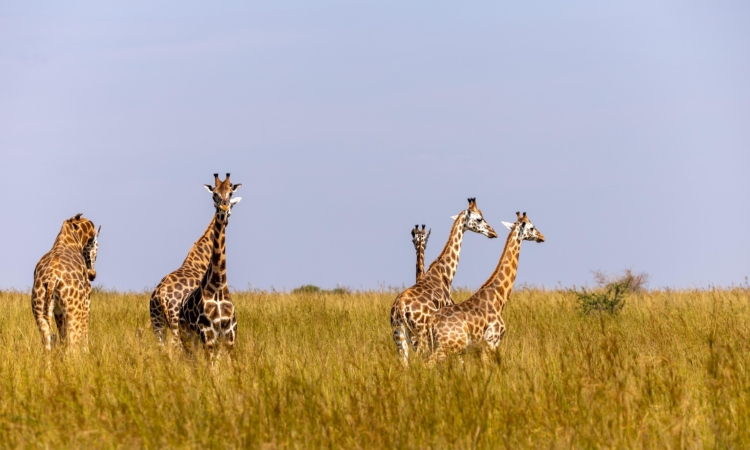
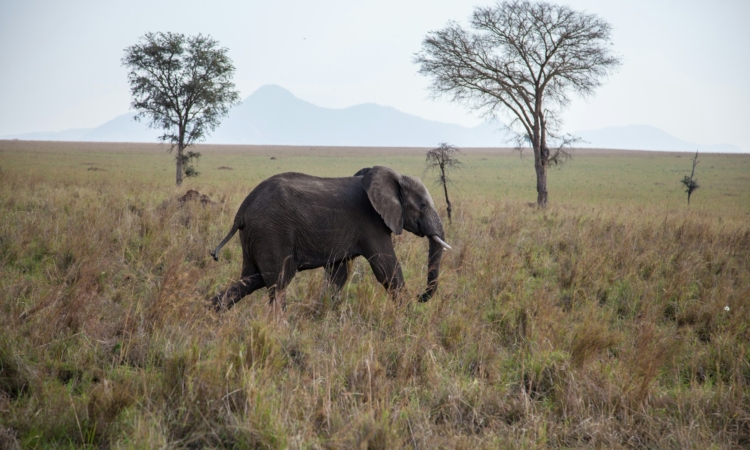
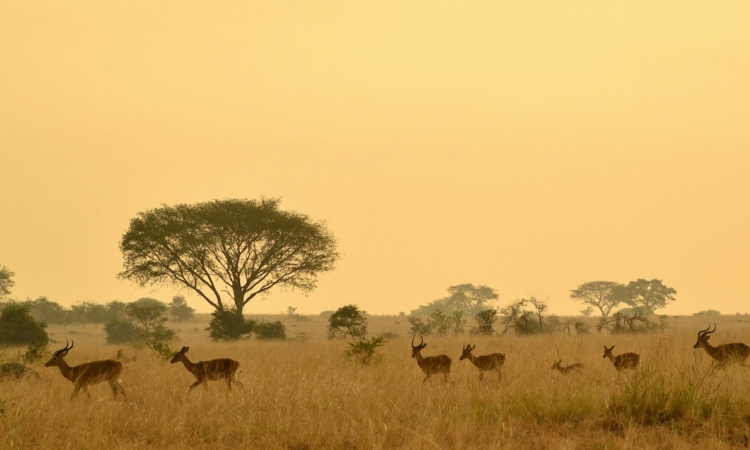
The park is mostly covered by open Savannah grasslands. These stretch across the flat plains and are scattered with acacia trees and shrubs.

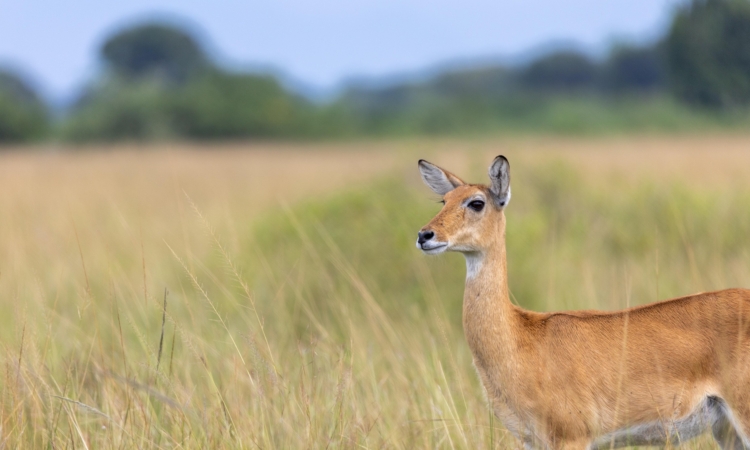
Savannah grasslands provide a perfect home for wild animals like elephants, giraffes, buffaloes, and antelopes, which feed on grass. They are also nesting places for birds and small animals.
The grasslands grow well during the wet season when rain is heavy, turning the area green. In the dry season, they change to a golden brown but still remain attractive.
Besides the grasslands, the park also has many woodlands. These include trees like the shea tree, borassus palm, and combretum, along with many shrubs. These woodlands are home to animals such as baboons and vervet monkeys, and birds like the African grey parrot and the red-throated bee-eater.
The shea tree is also important to people, as it is used to make shea butter, which is often used in cosmetics and food.
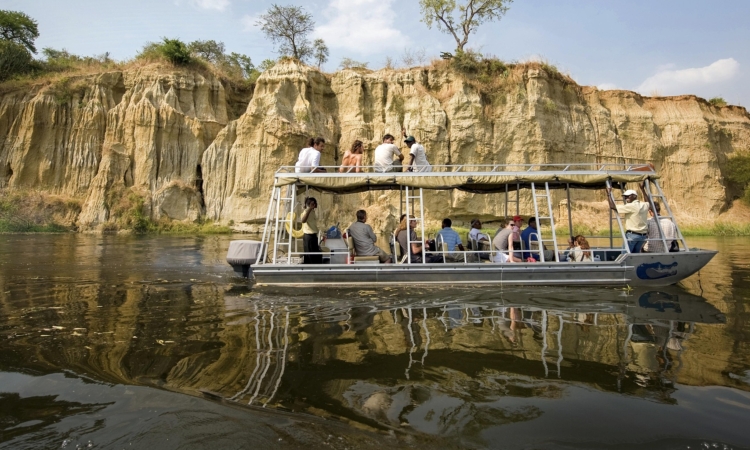
Riverine forests grow along the Nile River and its small streams. These forests exist because of the constant supply of water, which helps trees, vines, and shrubs grow. Common tree types here include fig trees, mahogany, and wild date palms. These forests are home to animals like hippos, crocodiles, and many birds.
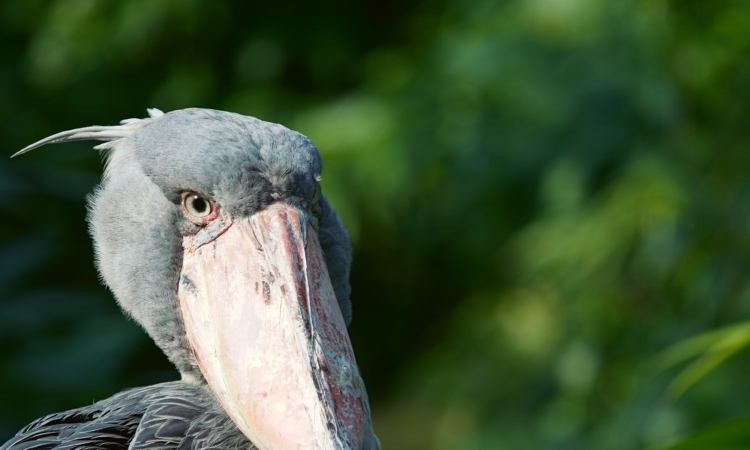
The park also has wetlands. These areas are filled with water-loving plants like grasses, sedges, and reeds. Wetlands are key habitats for birds, including the shoebill stork, a rare bird many visitors hope to see. Other birds here include herons and egrets.
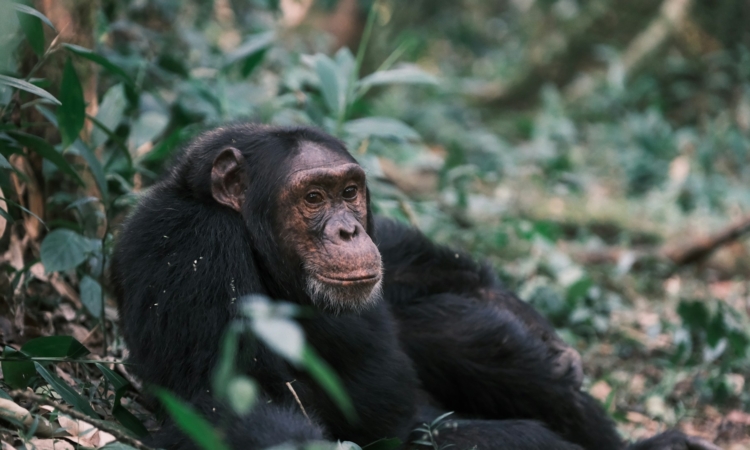
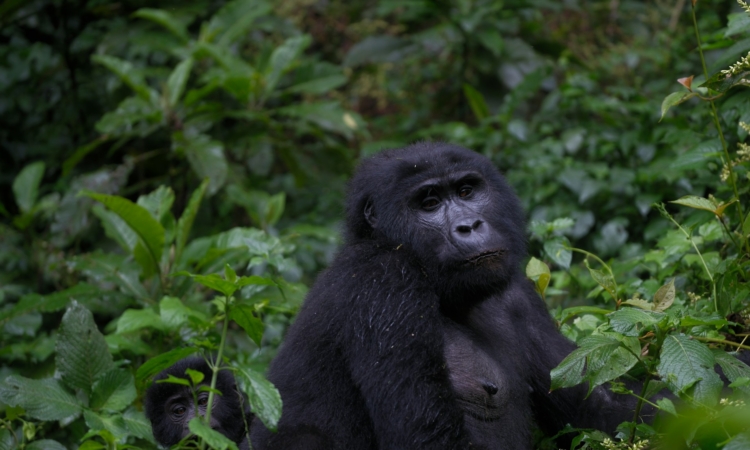
Finally, Murchison Falls has small areas of tropical rainforest, such as Kaniyo Pabidi and Rabongo Forest. These forests help control the park’s climate and support many animals. Primates such as chimpanzees, baboons, red-tailed monkeys, and vervet monkeys live here. Birds in these forests include the greenbul, yellow-billed barbet, yellow-whiskered greenbul, western nicator, and yellow-throated tinkerbird.
The vegetation in Murchison Falls is shaped by several factors, including the climate, the movement and feeding of animals, and human activity.
The vegetation of the park plays a big role in supporting wildlife and keeping the ecosystem healthy.