
Best Time to Visit Murchison Falls National Park
-
 On Offer
New Year’s Day at Murchison Falls National Park
Read More -
On Offer
Easter at Murchison Falls National Park
Read More -
On Offer
Christmas Day at Murchison Falls National Park
Read More -
On Offer
Murchison Falls in February
Read More -
On Offer
Murchison Falls in September
Read More -
On Offer
Murchison Falls in October
Read More -
On Offer
Murchison Falls in November
Read More -
On Offer
Murchison Falls in May
Read More -
On Offer
Murchison Falls in March
Read More -
On Offer
Murchison Falls in June
Read More -
On Offer
Murchison Falls in July
Read More -
On Offer
Murchison Falls in January
Read More -
On Offer
Murchison Falls in December
Read More -
On Offer
Murchison Falls in August
Read More -
On Offer
Murchison Falls in April
Read More
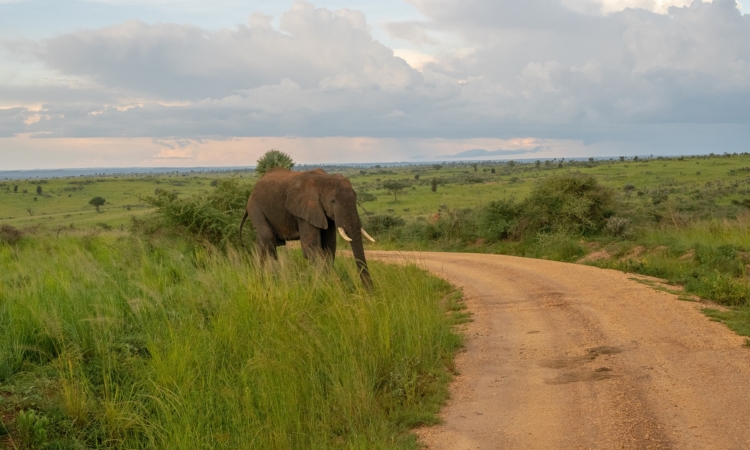
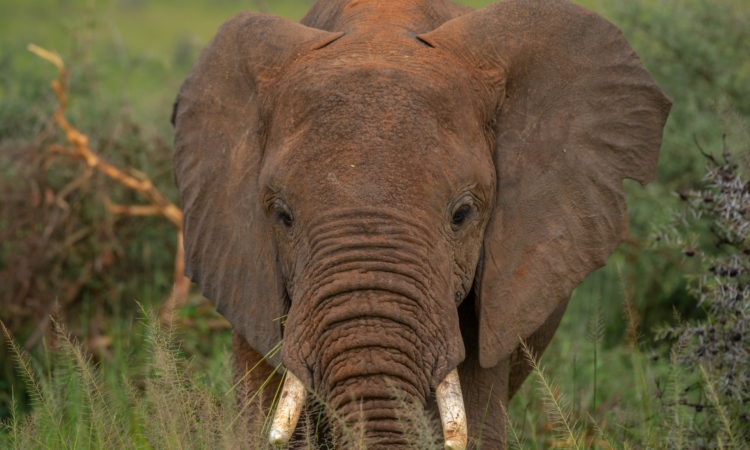
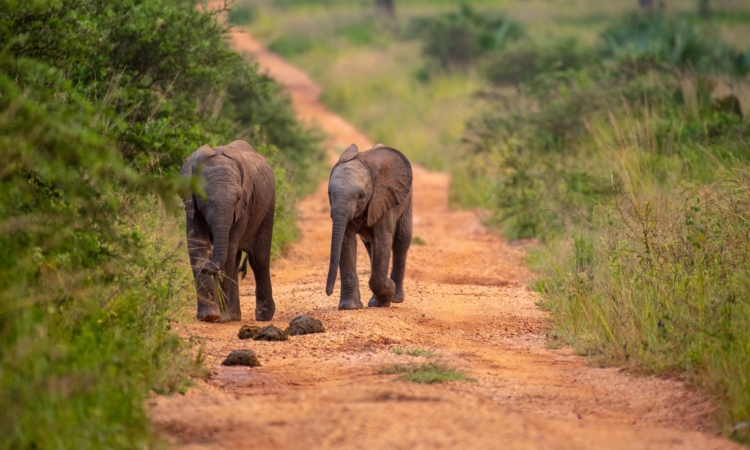


You can visit Murchison Falls any time of the year, but the best months are during the dry seasons: June to September and December to February. The short grass and clear skies make it easier to see animals.
Bird watchers should visit between November and April, when migratory birds from North Africa and Europe arrive. The rare shoebill stork is best seen between January and March.
Climate and Weather of Murchison Falls
The climate in Murchison Falls National Park is tropical savannah, with both wet and dry seasons. The park receives two rainy seasons each year. The long rainy season runs from March to May, and the short rainy season is from August to November.
During the rainy seasons, the park gets more rainfall, which leads to the growth of thick vegetation.
The dry seasons are from December to February and from June to July. These months receive little rain, and much of the vegetation dries out.
Temperatures in the park usually range between 25°C and 30°C, but they can drop during the night.
How the Seasons Affect Wildlife Viewing
In the dry season, many animals move closer to permanent water sources like the Nile. This makes it easier for visitors to see wildlife. The dry season is also the best time for game drives and boat cruises in the park.
The Nile’s Role in the Climate
The Nile is not just a river. It also plays a big role in the park’s climate. The water helps keep the temperature along the riverbanks steady and supports the growth of riverine forests. These forests are home to animals like chimpanzees and olive baboons.
The geography and climate of Murchison Falls have also shaped how nearby communities live, especially in farming activities around the park.
Book your Murchison Falls safari during the dry season for the easiest wildlife viewing, or during the migratory bird months for the best birding, including a chance to see the shoebill stork.
Book Now





