







Ultimate Travel Guide for Visiting Murchison Falls National Park in Uganda
Murchison Falls National Park is the largest national park in Uganda, covering about 3,893 square kilometers. Book your Murchison Falls safari to see the world’s longest river and one of the world’s most powerful waterfalls in one trip.
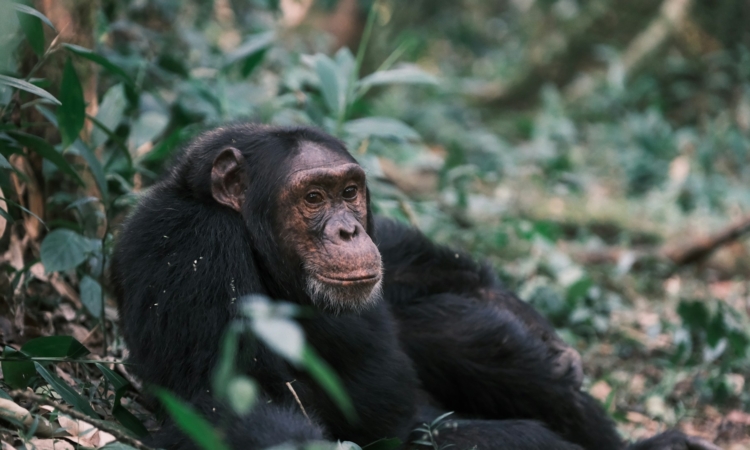
The park’s vegetation includes riverine forests, savannah grasslands, and woodlands. It also includes Budongo Forest, one of the oldest forests in Uganda, home to chimpanzees and many bird species.
This guide covers how to book your Murchison Falls trip, what it costs, and what to expect from the park’s history, wildlife, and activities.
Park Entry Fees and Penalties
Foreign non-residents pay $45, foreign residents pay $35, and visitors from the rest of Africa pay $30. Children under 15 years pay $25. East African citizens pay 25,000 Ugandan shillings.
A game ranger costs $30 per day per vehicle, while a night game drive costs $40 per ranger per vehicle. Nature-guided walks cost $40 per person. Vehicle entry fees are $15 for Ugandan-registered vehicles and $150 for foreign vehicles.
Park entry fees can change, so it is best to check for updates before your trip. See our full park entry fees and penalties guide for more detail.
History of Murchison Falls
The park has a story that stretches back more than a century. It was first gazetted in 1910 as the Bunyoro Game Reserve. In 1928, the reserve boundaries were extended. It later became a national park in 1952, making it the oldest in Uganda.
The park was once called Kabalega National Park but was later renamed Murchison Falls by Sir Samuel Baker, after Roderick Murchison, the president of the Royal Geographical Society. In the early 1900s, people living in the park were relocated due to the spread of sleeping sickness.
Sir Samuel Baker and his wife Lady Florence were the first Europeans to see the falls. Other well-known visitors over the years have included Theodore Roosevelt, Winston Churchill, and Ernest Hemingway. Read more about the park’s history.
In the 1960s, the park held large numbers of animals, including over 26,000 buffaloes, 15,000 elephants, and 14,000 hippos. Those numbers dropped due to war and poaching. Conservation work is ongoing, though rhinos became extinct in the park.
Animals and Wildlife
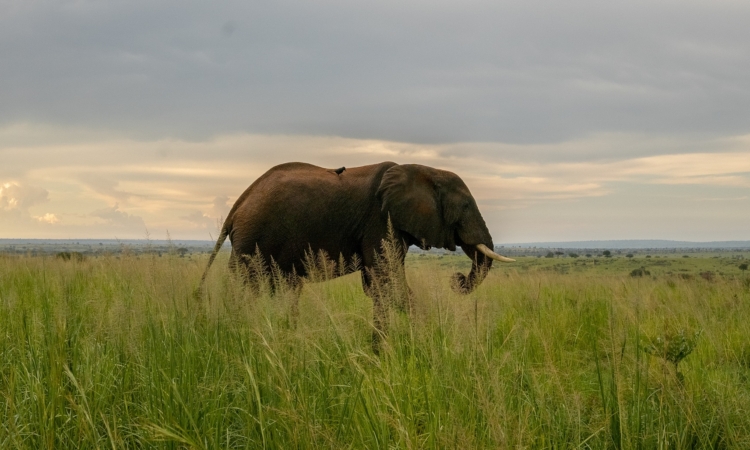
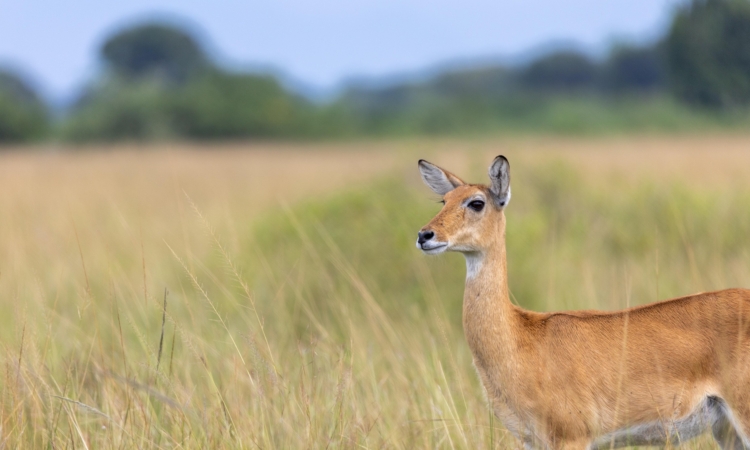
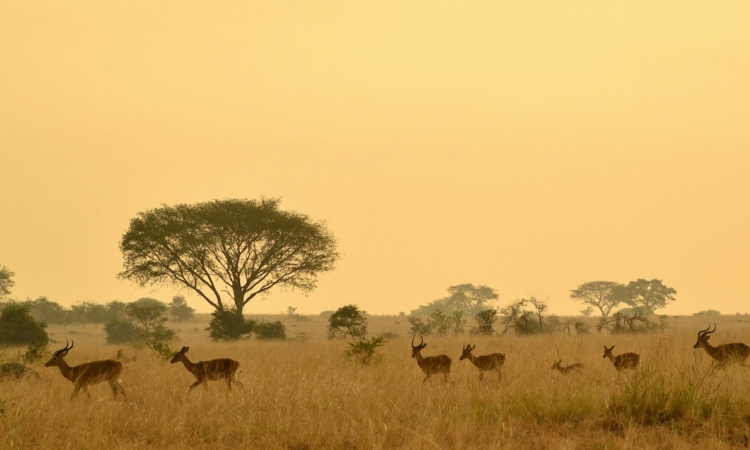
Murchison Falls National Park is one of the top places to see wildlife in Uganda. Tourists can enjoy game drives to spot some of the 76 species of mammals recorded here, including elephants, giraffes, buffaloes, hippos, crocodiles, Uganda kobs, oribis, leopards, Jackson’s hartebeests, waterbucks, grey duikers, spotted hyenas, bushbucks, and warthogs.
Rabongo Forest is home to primates like chimpanzees, black-and-white colobus monkeys, olive baboons, red-tailed monkeys, blue monkeys, and patas monkeys.
Top Things to Do in Murchison Falls National Park
- Game Drives: Both day and night game drives are available. Day game drives usually happen in two sessions, each lasting about 2 to 4 hours. Night game drives usually start at 6:30 or 8:00 pm and last around 3 hours.
- Birding: The park is a strong destination for bird watching, with 451 recorded bird species. Some of the birds include black-bellied bustards, red-throated bee-eaters, blue-headed coucals, malachite kingfishers, grey-crowned cranes, Goliath herons, papyrus gonoleks, Abyssinian ground hornbills, swamp flycatchers, northern red bishops, squacco herons, African quail-finches, spur-winged lapwings, and both great and little egrets.
- Cultural Visits: Many tribes live around the park, such as the Banyoro, Alur, and Acholi. Visitors can meet communities like Mubaku or Boomu Women’s Camp to enjoy cultural performances and learn about local traditions.
- Hiking the Falls: Murchison Falls, one of the world’s most powerful waterfalls, sits within the park along the Nile. Tourists can hike to the top of the falls for a closer look.
- Launch Trip: The Nile River passes through the park. A boat trip along the river gives tourists a chance to see animals like crocodiles and hippos along the riverbanks. The cruise usually ends near the falls, where tourists can hike to the top.
- Sport Fishing: There are two main fishing spots in the park. The largest catch recorded was a Nile perch weighing 113 kilograms. Fishing is allowed throughout the year. All fish must be released back into the water, and anglers must bring their own fishing gear.
- Chimpanzee Trekking: Chimp trekking takes place at Budongo Forest at a fee of USD 125 per permit, excluding transportation, meals, and accommodation.
See our full things to do guide for more activity options.
Facts About Murchison Falls National Park
Below are some interesting facts about Murchison Falls:
- Largest and Oldest Park in Uganda: Murchison Falls is the largest national park in Uganda, covering around 3,900 square kilometers. The park was established in 1952 and is part of the larger Murchison Falls Conservation Area, which also includes Bugungu and Karuma Wildlife Reserves.
- Home to One of the Strongest Falls in the World: The park is named after Murchison Falls, formed where the Nile River squeezes through a narrow gorge and drops 43 meters into the Albertine Rift.
- Variety of Wildlife: Murchison Falls is one of the parks in Uganda with the widest range of animal species. It is home to around 76 types of mammals, more than 450 bird species, and many reptiles and amphibians, including some rare species.
- The Park Is Divided by the River Nile: The Nile River flows through the park, dividing it into two sections: the southern and northern sectors.
- An Important Birding Place: With over 450 bird species, the park is one of Uganda’s top bird-watching spots. Notable birds include the shoebill, African fish eagle, Goliath heron, and Abyssinian ground hornbill, among others.
- A Long History: The park’s history dates back to the 20th century, when British explorers, including Sir Samuel Baker, visited the area. Baker named the falls after geologist Roderick Murchison.
- A Conservation Success Story: Thanks to efforts by the Uganda Wildlife Authority and international conservation partners, rare species like the Rothschild’s giraffe have been successfully reintroduced and protected in the park.
- A Mix of Landscapes: Murchison Falls National Park offers more than wildlife. It has notable natural features, including the waterfall itself, wide landscapes, and different types of vegetation such as savannah grasslands, woodlands, and riverine forests.
Airstrips in the Park
The airstrips connect Murchison Falls to major cities like Entebbe and Kampala. They also help the local economy by supporting tourism, a major source of income for people living near the park.
The airstrips in Murchison Falls National Park include:
Park Gates and Location
Below is a list of the six gates:
Game Tracks in the Park
Game tracks are the trails you follow during game viewing drives. Each track has its own strengths, and it helps to know them when planning your route.
The game tracks in Murchison Falls National Park include:
- Pakuba Game Track
- Buligi Game Track
- Albert Game Track
- Queen’s Game Track
- Te’bito Game Track
- Victoria Game Track
- Chobe Game Track
- Honeymoon Game Track
Types of Murchison Falls Safaris
There are several types of safaris available in Murchison Falls National Park for travelers who prefer a themed style of travel, including:
Location of the Park
Murchison Falls National Park sits near Lake Albert in northwestern Uganda, about 305 kilometers north of Kampala. You can drive to the park in 3 to 4 hours or fly from Entebbe International Airport or Kajjansi Airfield. During the rainy season, a 4WD vehicle is recommended. See our full location and getting there guide for more travel options.
Best Time to Visit Murchison Falls
You can visit Murchison Falls any time of the year, but the best months are during the dry seasons: June to September and December to February. Short grass and clear skies make it easier to see animals.
Bird watchers should visit between November and April, when migratory birds from North Africa and Europe arrive. The rare shoebill stork is best seen between January and March.
Book your Murchison Falls safari today to combine the falls, wildlife, and the park’s long history in one unforgettable trip.
Frequently Asked Questions About Murchison Falls National Park
What is the best time to visit Murchison Falls National Park?
The best months are during the dry seasons, from June to September and from December to February. Short grass and clear skies make it easier to see animals during these periods.
How much are Murchison Falls park entry fees?
Foreign non-residents pay $45, foreign residents pay $35, and visitors from the rest of Africa pay $30. Children under 15 pay $25, and East African citizens pay 25,000 Ugandan shillings.
How do I get to Murchison Falls National Park?
You can drive from Kampala in about 3 to 4 hours, or fly from Entebbe International Airport or Kajjansi Airfield to one of the park’s airstrips.
Which airstrips serve Murchison Falls National Park?
The park is served by three airstrips: Pakuba Airstrip, Bugungu Airstrip, and Chobe Airstrip.
How many gates does Murchison Falls National Park have?
The park has six gates: Kichumbanyobo Gate, Tangi Gate, Wankar Gate, Mubako Gate, Bugungu Gate, and Chobe Gate.
Why is Murchison Falls National Park important in Uganda?
It is Uganda’s largest and oldest national park, first gazetted in 1910 and formally established in 1952. It also holds one of the world’s most powerful waterfalls.
What animals can I see at Murchison Falls National Park?
The park is home to 76 mammal species, including elephants, giraffes, buffaloes, hippos, crocodiles, Uganda kobs, leopards, and warthogs, along with over 450 bird species.
Are there chimpanzees at Murchison Falls National Park?
Yes, chimpanzee trekking takes place at Budongo Forest for a fee of USD 125 per permit, not including transportation, meals, or accommodation.
Can I see rhinos at Murchison Falls National Park?
Rhinos became extinct within Murchison Falls National Park, though white rhinos can be seen nearby at Ziwa Rhino and Wildlife Ranch.
What are the top activities at Murchison Falls National Park?
Top activities include game drives, boat cruises, birding, hiking to the top of the falls, chimpanzee trekking, sport fishing, and cultural visits to nearby communities.
How many bird species are in Murchison Falls National Park?
The park has 451 recorded bird species, making it one of Uganda’s top birding destinations.
What game tracks are available in the park?
The main game tracks include Pakuba, Buligi, Albert, Queen’s, Te’bito, Victoria, Chobe, and Honeymoon Game Track.
Who named Murchison Falls?
Sir Samuel Baker named the falls after Roderick Murchison, president of the Royal Geographical Society. The park was previously known as Kabalega National Park.
What types of safaris are available at Murchison Falls?
Travelers can choose from budget safaris, luxury safaris, honeymoon safaris, group safaris, family safaris, and motorcycle tours.
Is a 4WD vehicle necessary at Murchison Falls National Park?
A 4WD vehicle is recommended, especially during the rainy season when some roads become harder to pass.
What is the cost of a night game drive?
A night game drive costs $40 per ranger per vehicle, while a game ranger for the day costs $30 per vehicle.
Where is Murchison Falls National Park located?
The park sits near Lake Albert in northwestern Uganda, about 305 kilometers north of Kampala.
When is the best time for birding at Murchison Falls?
Bird watchers should visit between November and April, when migratory birds from North Africa and Europe arrive. The shoebill stork is best seen between January and March.
What forests are found within Murchison Falls National Park?
The park includes Budongo Forest, one of Uganda’s oldest forests, along with Rabongo Forest, home to primates such as chimpanzees, colobus monkeys, and olive baboons.
What vehicle entry fees apply at Murchison Falls National Park?
Vehicle entry fees are $15 for Ugandan-registered vehicles and $150 for foreign-registered vehicles.