
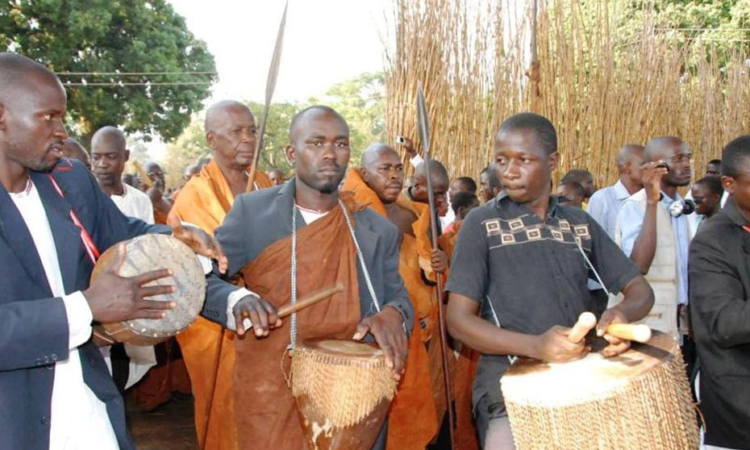
The Banyoro tribe is an ethnic group in western Uganda near Lake Albert. Their history dates back to the Bunyoro-Kitara Kingdom, which grew strong in the 19th century. The Banyoro, also called the Nyoro, have kept their culture even as many adopt modern ways of life today. See our cultural tribes guide for more on the communities living near Murchison Falls.
The Bunyoro-Kitara Empire
The Bunyoro-Kitara Empire was one of the greatest kingdoms in East Africa. The Banyoro once controlled much of the Great Lakes region, giving the kingdom a wide reach across the area.
Language and Leadership
The Banyoro speak Runyoro. Their kingdom is led by a king known in the local language as the Omukama. People saw the Omukama not just as a ruler but as someone with spiritual power to help the land prosper.
The kingdom’s governance was clear, divided into counties led by chiefs, each reporting directly to the king. This system kept law and order and helped bring harmony and peace across the kingdom.
Economy and Trade
The Banyoro economy depended on farming and trade. Thanks to fertile soil, they grew crops such as bananas, millet, beans, and sweet potatoes. They also kept cattle, which provided meat and showed wealth and status. Trade took place among the Banyoro and with other tribes, helped along by their strategic location.
Religion and Belief
Religion and belief were important in the kingdom. The Banyoro believed in a supreme God called Ruhanga. They also honored ancestral spirits, which they thought guided their daily lives. People offered sacrifices, especially during planting and harvest seasons.
Music, Dance, and Storytelling
The Banyoro are known for their lively cultural practices, such as music, dance, and storytelling. Their ceremonial dances are called Runyege and Entogoro. Storytelling was key, as elders used tales to teach children respect and honesty.
Traditional Dress
Traditional dress also marks Banyoro identity. Men wear a kanzu with a suit jacket for formal events. Women wear a gomesi, tied at the waist with a sash.
The Bunyoro Kingdom Today
Today, the Bunyoro kingdom continues to grow. Education has spread, farming has expanded, and new developments have come to the region.





