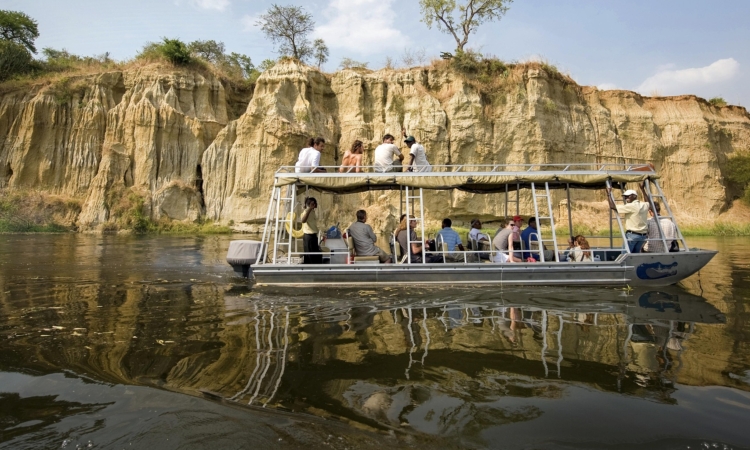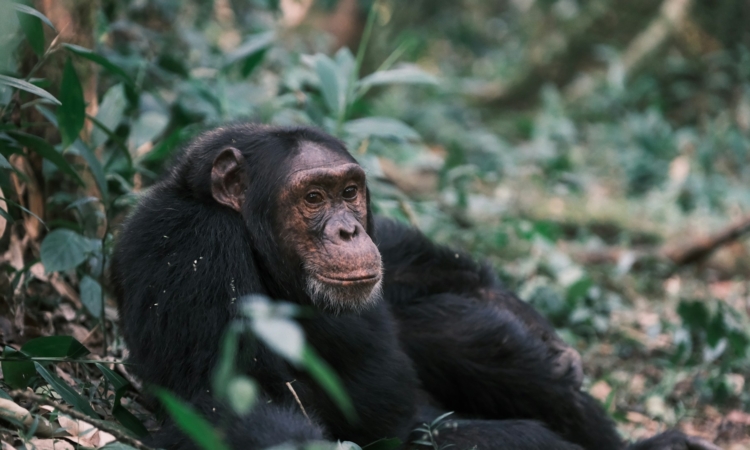

Besides the famous waterfall, Murchison Falls National Park is also well known for its rich biodiversity. The variety of life in the park shows how strong nature can be and why conservation is important.
The biodiversity of Murchison Falls includes the park’s animals, plants, and landscapes, all of which help keep the natural balance in the area.
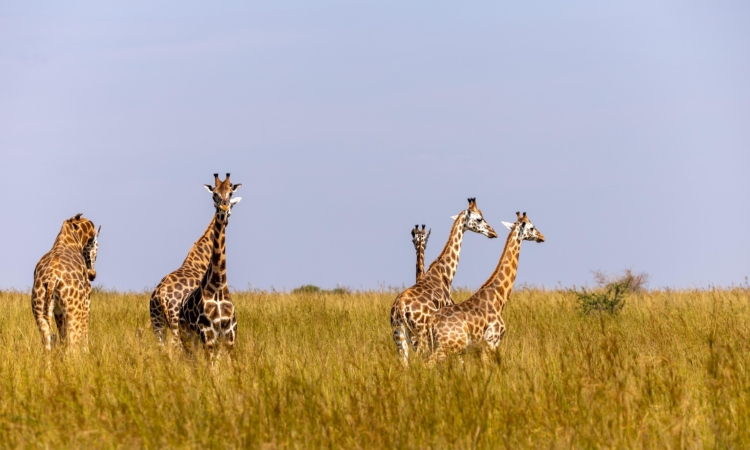
One of the most noticeable features of the park is its large number of mammals. Murchison Falls National Park is home to many animals that live in the savannah grasslands and woodlands, where they graze and hunt.
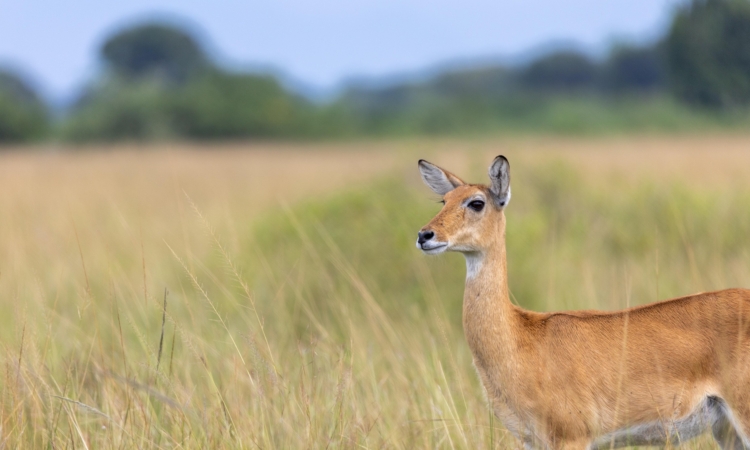
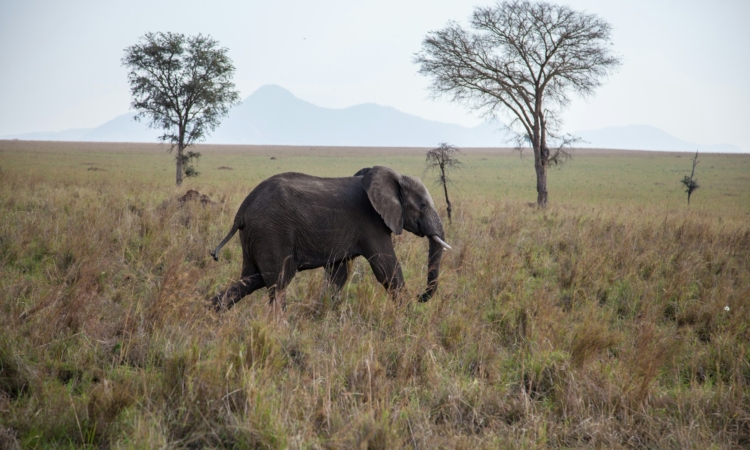
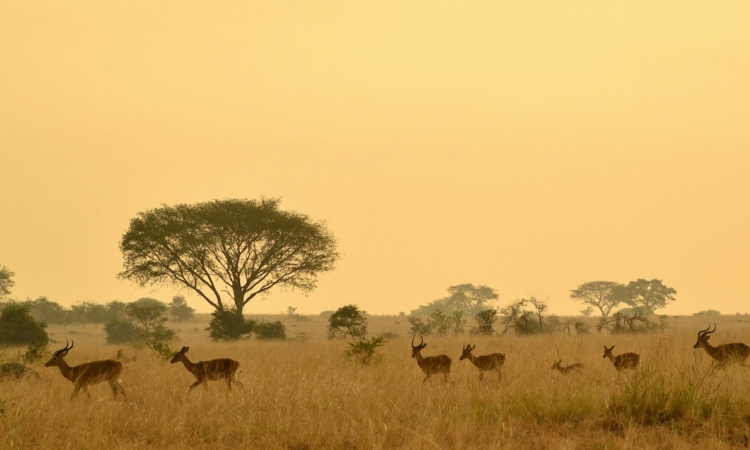
Herbivores are often seen during game drives. These include elephants, giraffes, Uganda kob, and buffaloes. The Uganda kob is a symbol of the park and is usually seen grazing in groups. Elephants are often found near the Nile River and other water sources. Their numbers have slowly grown because of conservation efforts.
Carnivores, or meat-eaters, are also seen during game drives. These include lions, leopards, and hyenas. These animals are important for the ecosystem because they help control the number of herbivores and keep the food chain in balance.
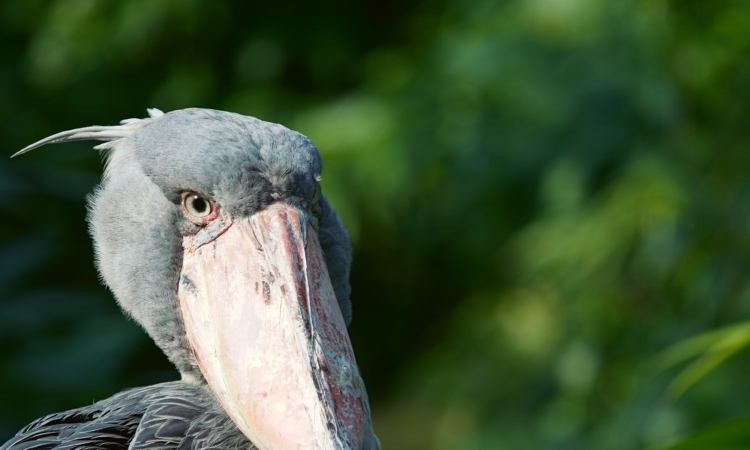
Birds are another key part of the park’s biodiversity. Murchison Falls is a favorite place for bird watchers, with more than 450 bird species recorded. Most birds live in the wetlands, grasslands, and nearby forests such as Budongo and Kaniyo Pabidi.
The shoebill stork is one of the most searched-for birds in the park and is often seen in the wetlands.
Other common bird species include the yellow-billed stork, martial eagle, blue-headed coucal, swamp flycatcher, goliath heron, African jacana, secretary bird, red-throated bee-eater, African quailfinch, squacco heron, white-browed sparrow-weaver, and grey-headed kingfisher.
Another important part of Murchison Falls’ biodiversity is the plant life. Plants support wildlife by giving them food and shelter.
The park has savannah grasslands, woodlands, and forests. These areas are home to many animals. The woodlands have trees like Terminalia and Combretum, while the riverine forests have trees such as figs and mahogany. Wetlands and swamps are covered with papyrus reeds.
The Uganda Wildlife Authority and several international organizations have worked hard to protect the park’s biodiversity through conservation programs.
The biodiversity of Murchison Falls shows how much the park has to offer to visitors and why protecting it is so important.