
Lake Albert is located in the Albertine region, in the western part of the East African Rift Valley. It is one of the Great Lakes in Uganda and sits on the border between Uganda and the Democratic Republic of Congo.
The lake covers an area of about 5,300 square kilometers. It is about 160 kilometers long and 30 kilometers wide.
Lake Albert has a depth of around 58 meters, which makes it deeper than its neighbor, Lake Kyoga. The water level of the lake changes depending on the season; rising during heavy rains and dropping during dry periods due to evaporation.
Lake Albert was named after Prince Albert, the husband of Queen Victoria. It was named by Sir Samuel Baker, who was the first explorer to see the lake in 1864.
Local people had their own names for the lake. In the Runyoro language, it is called “Mwitanzige,” meaning “locust killer,” because people believed the lake killed locusts.
Lake Albert receives water from the Victoria Nile, which flows from Lake Victoria, and from the Semliki River, which comes from Lake Edward.
The main economic activity on Lake Albert is fishing. The lake has many types of fish, such as Nile perch, tilapia, and catfish. These provide food and income for families living around the lake. However, overfishing and poor fishing methods are a threat to fish populations.
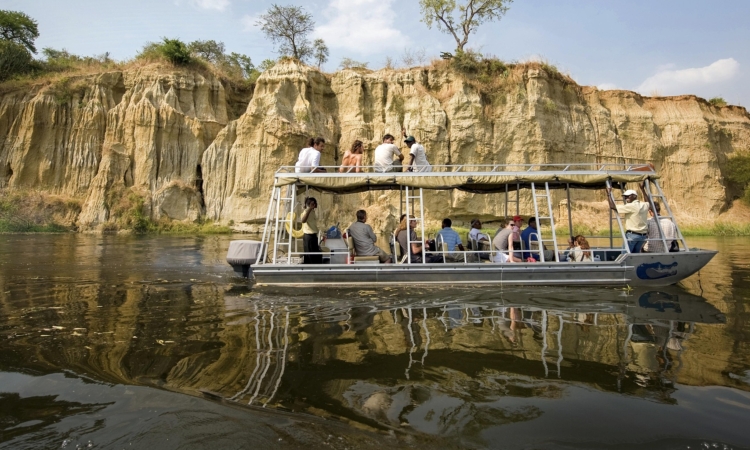
Another important activity is transportation. The lake helps connect communities. Small boats and ferries carry people and goods across the water to nearby villages.
The area around Lake Albert is also a center for oil exploration. Oil was discovered in the lake basin. The government of Uganda, in partnership with international oil companies, is working on oil projects, including plans to build pipelines to export the oil.
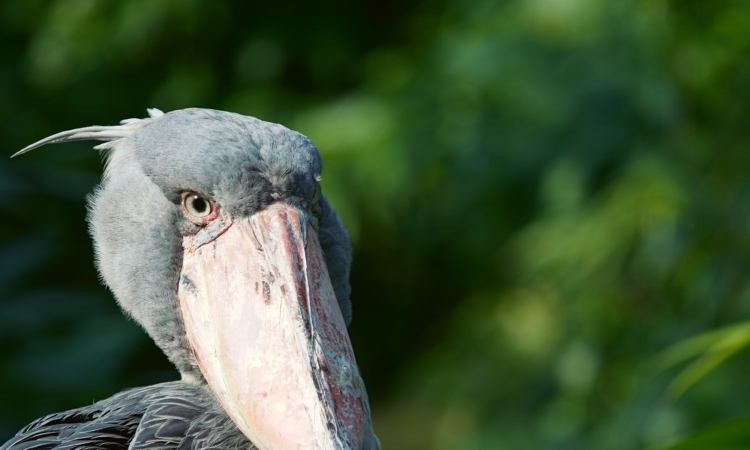
Lake Albert is also important for tourism. It has many wild animals, such as hippos and Nile crocodiles. The lake is home to many bird species, including fish eagles, kingfishers, and herons.
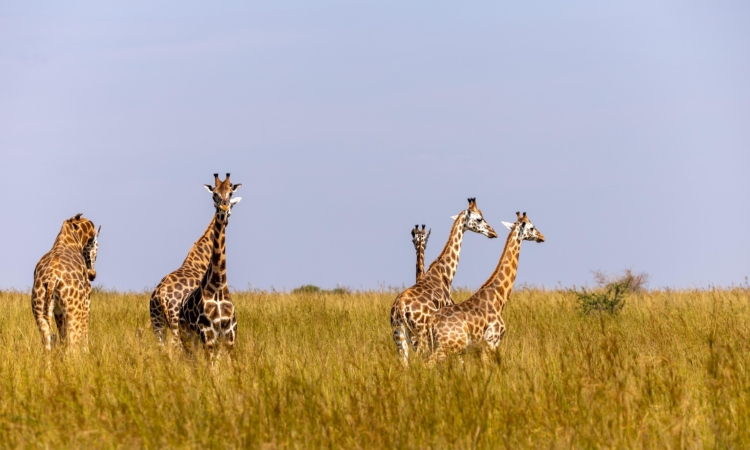
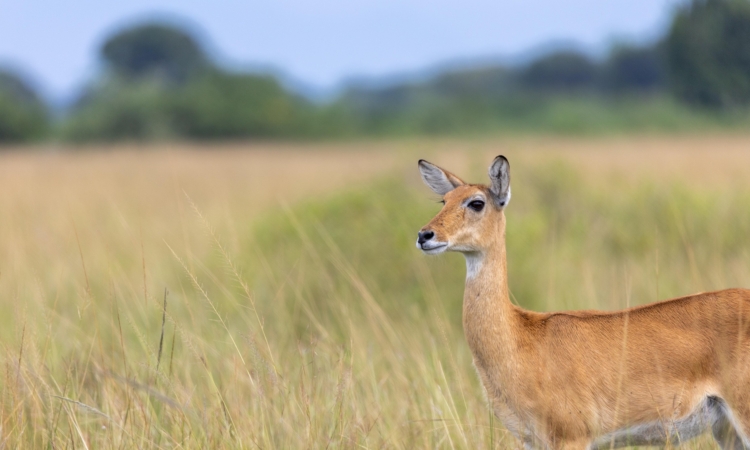
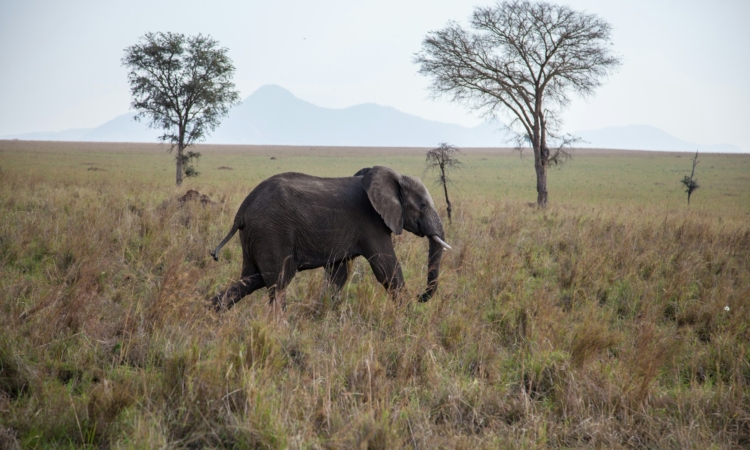
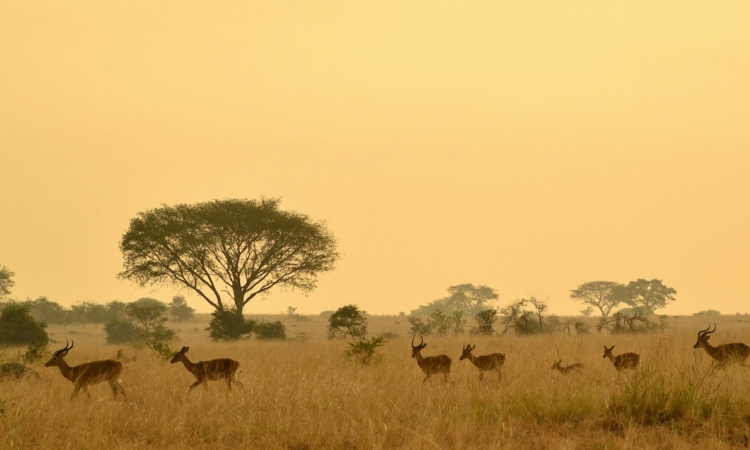
The Savannah around the lake is home to animals like elephants, buffaloes, and antelopes.
However, Lake Albert faces challenges such as pollution, deforestation, climate change, and industrial waste. These problems affect the quality of water and the health of wildlife in the area.
Lake Albert also has cultural importance. Many local communities depend on the lake for fishing, spiritual rituals, and honoring water spirits. Some of the tribes living around the lake include the Alur, Banyoro, and Batuku in Uganda, and the Lendu and Hema in the DRC.
Lake Albert plays an important role in the environment, culture, and economy of both Uganda and the Democratic Republic of Congo.