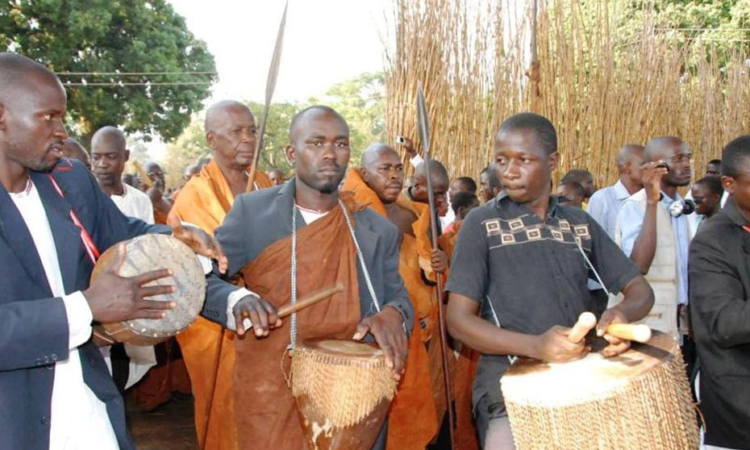

The Alur are a tribe living in the West Nile region and around Lake Albert in northwestern Uganda. The Alur are part of the Luo group, having separated from the Nilotic people who moved from South Sudan many centuries ago. See our cultural tribes guide for more on the communities living near Murchison Falls.
Leadership and Chiefdoms
The Alur are different from other tribes because of their form of leadership. Their society was organized into chiefdoms, each led by a chief called the Rwoth. The Rwoth was not only a political leader but also a spiritual leader who connected the people to their ancestral spirits.
Farming and Livestock
Farming was the main economic activity of the Alur. They lived in areas with fertile soil and grew crops like beans, millet, cassava, sweet potatoes, and simsim. They also kept cattle, which were used to show wealth and played an important role in cultural ceremonies.
Clan Structure
The Alur social structure is based on clans. Each clan has its own totem and duties in the community, and people are not allowed to marry within the same clan. The Alur also practice polygamy, and the number of wives a man has is often seen as a sign of his wealth and status in society.
Traditional Homes
The Alur have a traditional way of building homes, using local materials like grass, mud, and wood to build huts. These huts were usually placed around a central courtyard where the whole family stayed.
Beliefs and Spirituality
The Alur are deeply spiritual. They believe in a supreme God called Jok. They also make sacrifices to spirits at shrines, especially during ceremonies such as those for asking for rain.
Dance and Storytelling
The Alur are known for their cultural activities like dancing and storytelling. Their traditional dance is called Larakaraka, performed by young men and women during special events. Storytelling is also important in their culture, with elders using stories to teach children about their ancestors and to pass on good behavior and values.
The Alur Today
As Uganda continues to grow, the Alur remain proud protectors of their culture. Their ability to adjust to modern life while keeping their traditions shows their strength in preserving their heritage.