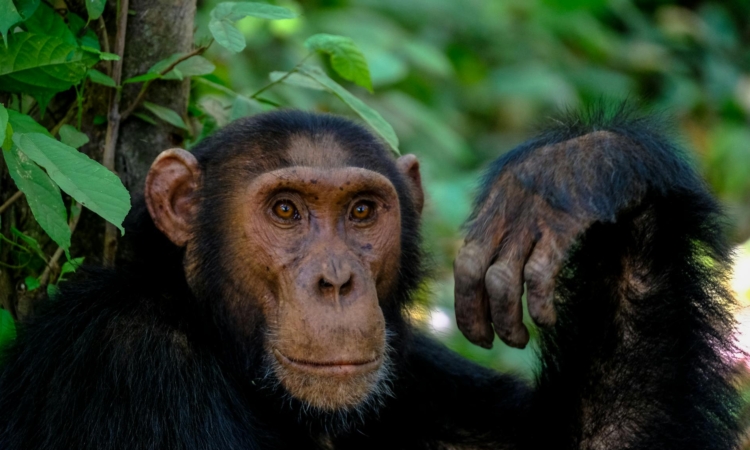

Among the many primate species in Murchison Falls National Park are the intelligent olive baboons, a common sight in the park. Olive baboons are large primates named after the olive-green color of their fur.
Size and Appearance
Male olive baboons weigh between 20 and 30 kg, while females are smaller, weighing around 10 to 15 kg. They have a long dog-like muzzle, sharp canine teeth, and a hairless padded rump which they use for sitting.
In the wild, olive baboons can live up to 20 to 30 years. They mostly live in savannah woodlands, riverine forests along the Nile, and rocky outcrops where they can hide from predators.
Where to Spot Olive Baboons
The best places to spot olive baboons in the park are Paraa, the Delta region, Kaniyo Pabidi Forest, and Budongo Forest.
Social Structure
Olive baboons are social animals that live in large groups called troops, usually made up of 20 or more individuals.
Each troop is led by an alpha male who chooses feeding areas and mates with females. Female baboons often form strong bonds with others in the group.
Communication
These baboons communicate in many ways, including vocal sounds such as barks, grunts, screams, and alarm calls. They also use body language, like yawning or showing submissive gestures.
Diet
Olive baboons are omnivores. They eat a variety of plant materials such as fruits, seeds, roots, and stems. They also eat insects, grubs, small animals, and sometimes bird eggs. They can spend 6 to 8 hours a day looking for food.
Reproduction
Their reproduction cycle is unique. The gestation period is about six months. When a female is fertile, her hindquarters swell and turn red, signaling to males that she is ready to mate. After giving birth, the infant clings to the mother for the first few months before starting to play with other young baboons in the troop.
Threats and Role in the Ecosystem
Olive baboons face threats in the wild. Predators like lions, leopards, and hyenas often target the young. Other threats include habitat loss, poaching, and human-wildlife conflict.
Despite these dangers, olive baboons are important to the ecosystem. They help spread seeds, control insect populations, and serve as prey for larger animals.
They are also among the most interesting animals to observe in the park. Book a game drive or forest walk to see olive baboon troops during your Murchison Falls safari.