When is the best time to go on safari in Uganda?
The best time to go on safari in Uganda is during the dry seasons, which are June to August and December to February. These months offer good weather for wildlife viewing in Savannah parks and for gorilla trekking in the forests.
The dry seasons are the most popular times to visit because of the good conditions. From June to August and December to February, the weather is usually warm and sunny with little rain.
The vegetation is less dense, which makes it easier to see animals as they gather around limited water sources in parks such as Queen Elizabeth and Murchison Falls.
Trails in Bwindi Impenetrable National Park and Mgahinga Gorilla National Park are less muddy and less slippery during this time, making the hikes easier.
This is the peak tourist season, so parks are busier. Prices for accommodation and tours may be higher, and permits for activities like gorilla trekking should be booked several months in advance.
What can I expect from a safari in Uganda?
A safari in Uganda offers a mix of classic game drives, primate trekking, and cultural visits. It is often less crowded than some other safari destinations in Africa.
Key experiences include:
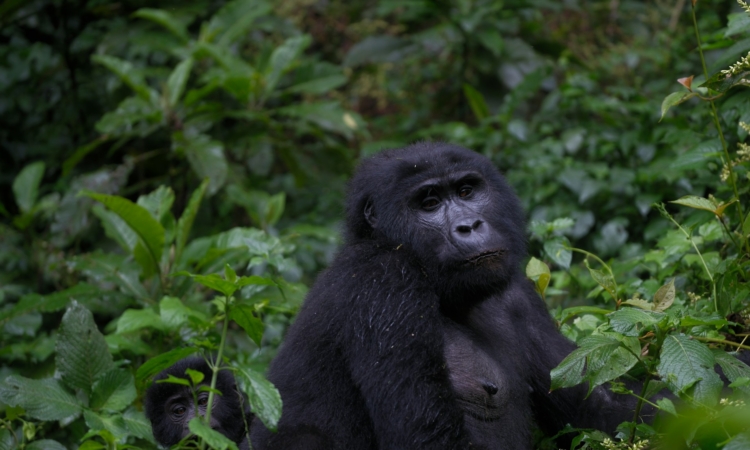
Mountain gorilla trekking: This is the main reason many people visit Uganda. You will walk with a guide through Bwindi Impenetrable or Mgahinga Gorilla National Park and spend one hour with a gorilla family in their natural home. A permit is needed and should be booked early.
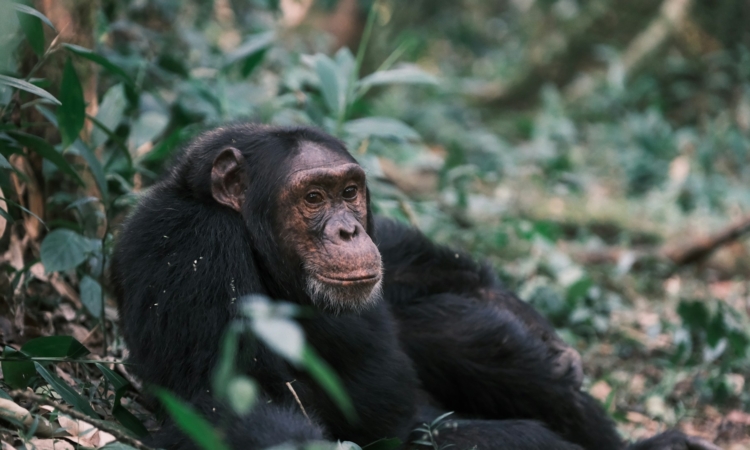
Chimpanzee tracking: Kibale National Park is the best place to track chimpanzees. You can also see them in Budongo Forest and Kyambura Gorge.
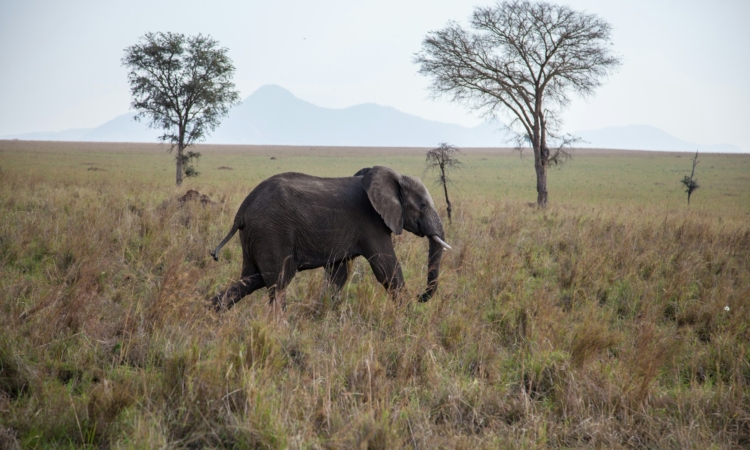
Big game drives: In parks such as Murchison Falls, Queen Elizabeth, and Kidepo Valley, you can go on game drives to look for the Big Five, which are lion, leopard, elephant, buffalo, and rhino. Rhinos can be seen at Ziwa Rhino Sanctuary. Queen Elizabeth National Park is also known for its tree climbing lions.
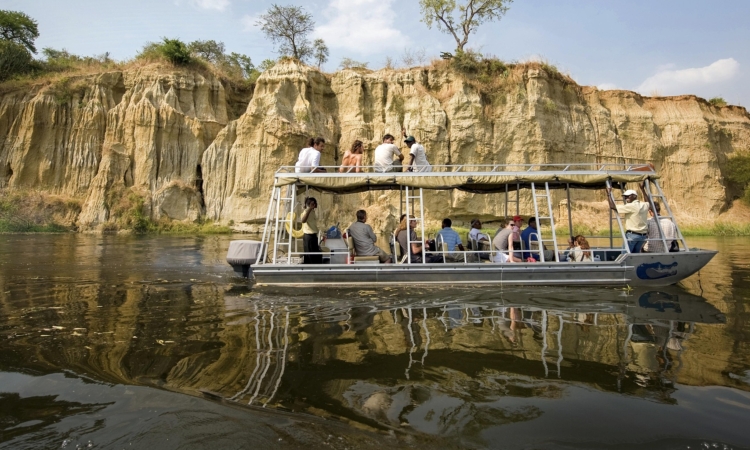
Boat safaris: Boat trips on the Kazinga Channel or the Nile River allow you to see hippos, crocodiles, and many birds along the water.
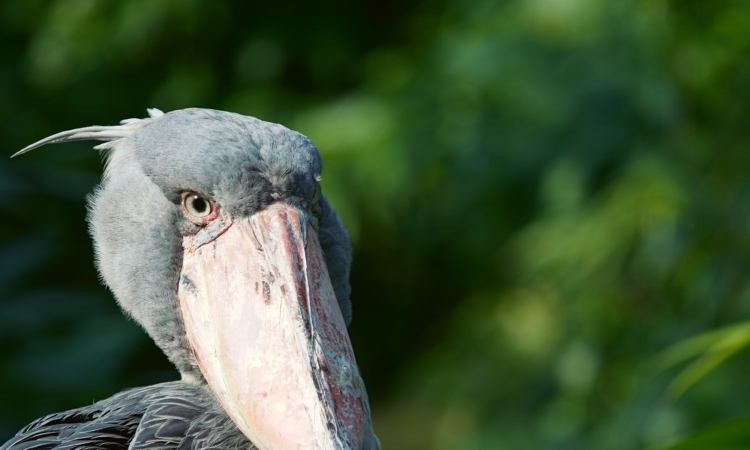
Bird-watching: Uganda has more than 1,000 bird species, including the rare Shoebill stork, which can be seen in places like Mabamba Swamp.
Landscapes: The country has many different natural areas, from rainforests and open plains to the high peaks of the Rwenzori Mountains and calm crater lakes.
Cultural encounters: You can visit local communities such as the Batwa near Bwindi and learn about traditional Ugandan music, food, and daily life.
Why visit Uganda, and what are the major attractions?
Uganda, known as the Pearl of Africa, is a special destination with rich wildlife, different landscapes, and strong cultural traditions. Its main attractions include primate tracking, outdoor adventures, and cultural experiences.
Major attractions and activities
Bwindi Impenetrable National Park is a UNESCO World Heritage Site and the main place for mountain gorilla trekking. It is home to more than half of the world’s remaining mountain gorillas. Visitors can get a close view of gorilla families in their natural forest environment.
Kibale Forest National Park is known for chimpanzee tracking and is home to more than 12 other primate species.
Murchison Falls National Park is Uganda’s largest national park. It is known for Murchison Falls, where the Nile River passes through a narrow 7 meter gorge. Visitors can enjoy game drives to see the Big Four, which are lions, elephants, leopards, and buffaloes. Boat trips on the Nile allow you to see hippos, crocodiles, and many bird species, including the shoebill stork.
Queen Elizabeth National Park is known for the Kazinga Channel and its tree climbing lions in the Ishasha sector. The park has over 600 bird species and large numbers of elephants and buffaloes.
Jinja is known as the Adventure Capital of East Africa and is the source of the Nile River. Visitors can enjoy activities such as white water rafting, bungee jumping, kayaking, and quad biking along the river.
Rwenzori Mountains National Park, also known as the Mountains of the Moon, offers multi day hikes through high altitude landscapes and snow covered peaks.
Lake Bunyonyi is Africa’s second deepest freshwater lake. It is a calm place for отдых, hiking, and canoeing among its many small islands.
Ziwa Rhino Sanctuary is the only place in Uganda where you can track southern white rhinos on foot in the wild. This completes the Big Five safari experience.
Cultural experiences in Uganda include meeting different tribes, each with its own traditions and languages. Popular places to visit include the Batwa communities, the Kasubi Tombs, the Uganda Martyrs Shrine, and the Ndere Cultural Centre, where you can enjoy traditional music and dance.
What does gorilla trekking in Uganda cost?
The main cost of gorilla trekking in Uganda is the permit fee. For foreign non residents, the standard permit for one hour with gorillas is 800 USD per person. For the four hour Gorilla Habituation Experience, the permit costs 1,500 USD per person.
The total cost of a gorilla trekking trip depends on your choice of accommodation, transport, and whether you book on your own or through a tour operator.
Gorilla permit costs, valid until June 2026
Standard permit for one hour with gorillas:
- Foreign non residents pay 800 USD per person
- Foreign residents pay 700 USD per person
- African citizens who are not part of EAC pay 500 USD per person
- East African citizens pay 300,000 UGX per person
Gorilla Habituation Experience permit for four hours with gorillas
- Foreign non residents pay 1,500 USD per person
- Foreign residents pay 1,000 USD per person
- African citizens who are not part of EAC pay 1,000 USD per person
- East African citizens pay 750,000 UGX per person
The standard gorilla permit includes park entry fees, the service of a ranger guide, and one hour with a gorilla family.
Booking permits
Permits are issued by the Uganda Wildlife Authority. You can book them in two main ways.
Through a tour operator, which is the most common and easy option for international travelers. The operator checks availability and books the permit for you, usually with a small service fee added.
You can also book directly at the Uganda Wildlife Authority headquarters in Kampala, but this can be more difficult for international visitors.
It is strongly advised to book your permit well in advance, especially during the busy months of June to August and December to February, because permits can sell out six months or more before the travel date.
How is the wildlife viewing in Uganda?
Wildlife viewing in Uganda is very good and offers both classic game drives in open parks and special primate experiences such as trekking to see mountain gorillas and chimpanzees.
You can see the Big Five, which are rhino, lion, leopard, elephant, and buffalo, as well as many other animals like giraffes and hippos. There are also many bird species found all year round in parks such as Murchison Falls and Queen Elizabeth.
Boat safaris, guided nature walks, and sometimes night drives are also popular ways to see animals.
Wildlife viewing experiences
Gorilla and chimpanzee trekking: Uganda is best known for mountain gorilla trekking in Bwindi Impenetrable National Park and chimpanzee tracking in Kibale Forest and Queen Elizabeth National Park.
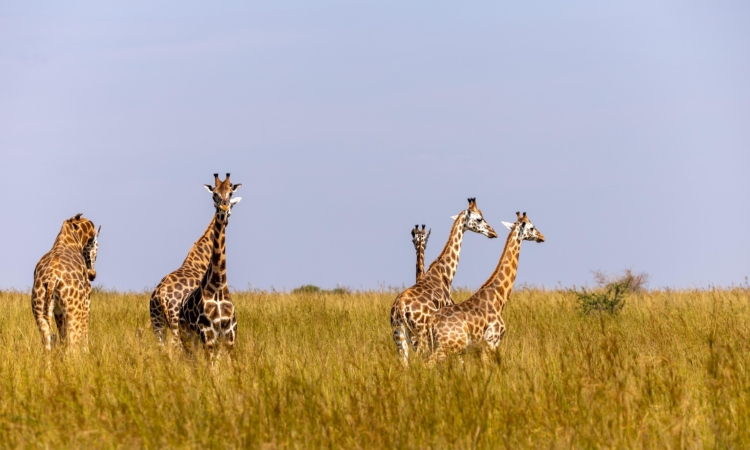
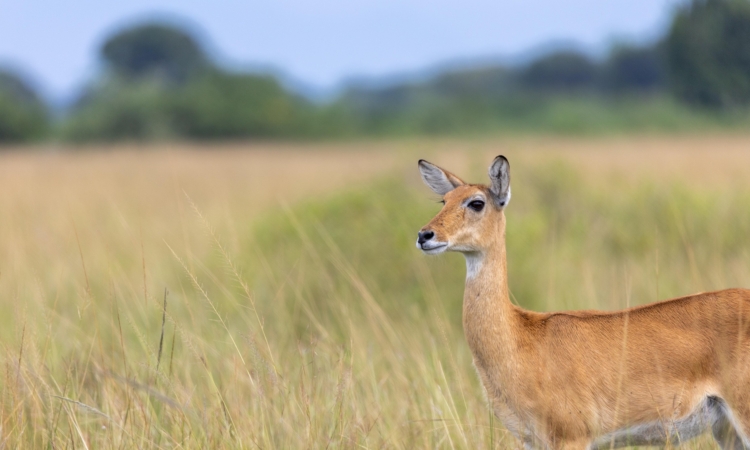
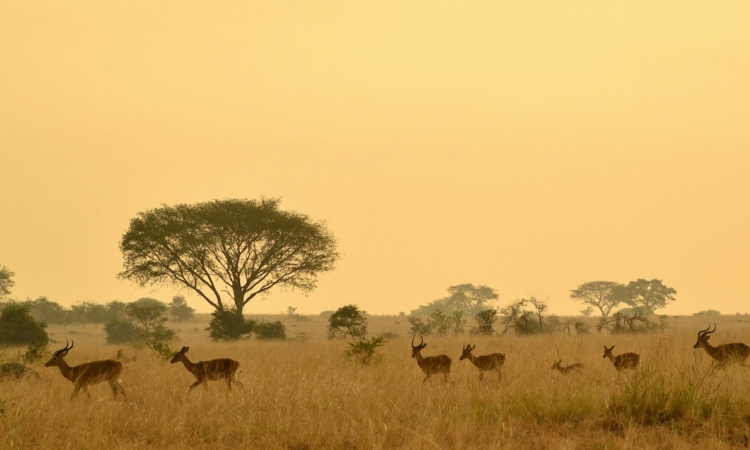
Game drives: During game drives, you can see lions, leopards, elephants, buffaloes, giraffes, and different types of antelope. These are common in Murchison Falls, Kidepo Valley, and Queen Elizabeth National Parks.
Boat safaris: Boat trips along the Nile in Murchison Falls National Park allow you to see hippos, crocodiles, and elephants near the water. In Queen Elizabeth National Park, a boat cruise along the Kazinga Channel offers views of many hippos and buffalo.
Unique encounters: You can track rhinos at Ziwa Rhino and Wildlife Sanctuary. In Lake Mburo National Park, you can view wildlife on horseback. Some parks also offer night drives to see animals that are active after dark.
Bird-watching: Uganda is one of the best places for bird-watching, with over 1,000 species. Many tours focus only on birds for visitors who enjoy this activity.
How safe is Uganda for tourists?
Uganda is generally safe for tourists who take normal precautions. There is a strong security presence in most tourist areas, including national parks.
General safety and crime
Uganda is known for its friendly people, and most visits are trouble free.
Small crimes like pick-pocketing and bag snatching can happen in big towns such as Kampala and Entebbe, so it is important to keep your valuables safe.
Serious crime against tourists is not common, but cases of armed robbery and carjacking can happen, especially at night outside main towns.
Areas to avoid
Travel advice from governments often warns against non essential travel near the borders with the Democratic Republic of Congo and South Sudan.
This is due to the risk of armed groups and cross border attacks. Some parts of Queen Elizabeth National Park and Semuliki National Park can fall in these areas.
Terrorism
There is a risk of terrorism, and attacks can happen in public places that are visited by foreigners, such as hotels, restaurants, and even national parks. Because of this, security checks are common in many public places.
Road safety
Driving in Uganda can be dangerous because of poor road conditions, careless driving, and limited lighting at night.
Tourists are advised not to drive on their own or use boda bodas or matatus because of the high risk of accidents and crime. The safest option is to use a trusted tour operator with an experienced local driver.
Health
Health safety is very important when visiting Uganda. Malaria is a risk, and a yellow fever vaccination certificate is required for entry into the country.
It is important to speak with a doctor about needed vaccines and medicines before the trip. Only drink bottled or boiled water to avoid water related illnesses.
How do I select a reliable Ugandan tour operator?
To choose a reliable tour operator in Uganda, focus on checking their legal status, looking at honest reviews, and judging how well they communicate with you.
Verification procedure
Official licensing and accreditation: This is the most important step. Make sure the operator is legally allowed to operate. Check that the company is licensed by the Uganda Tourism Board, which sets safety and service standards.
Reputation and reviews: Look for feedback from different independent sources. Use sites like TripAdvisor, SafariBookings.com, and Google Reviews to see what past clients say. Be careful with companies that have very few reviews or a large number of very positive reviews posted within a short time, as these may not be real. Try to find reviews that mention the same activities you want to do, such as gorilla trekking or wildlife safaris.
Communication and professionalism: The way a company first responds tells you a lot. Reliable operators usually reply on time and give clear and professional answers. They should send you a clear and detailed itinerary showing what is included and what is not included, such as permits, park fees, meals, and transport.
Website: A good operator will have a professional website with clear information, including an About Us page, a physical address, and contact details.
Safety and finance
Ask about their safety steps, guide training, and emergency plans.
A real company will ask you to pay into an official business bank account, often in USD or UGX. Do not send money to a personal account or through unsafe methods like Western Union.
What type of accommodation can I expect?
On a Uganda safari, you can find different types of accommodation for all budgets. These range from simple camps to luxury lodges and tented camps. Most of them are located in or near national parks to allow easy access to wildlife areas.
Types of accommodation
Uganda safari accommodation usually falls into three main groups.
Luxury lodges and tented camps: These give a high level of comfort, similar to a five star hotel. Amenities include spacious rooms or private cottages, private bathrooms, comfortable beds, power supply often from solar, private balconies, swimming pools, spa services, quality dining, and personal service.
Mid range lodges and tented camps: These offer a good balance between comfort and price. Amenities include clean rooms or safari tents with private bathrooms, hot showers, mosquito nets, a dining area with full board meals, and easy access to park activities.
Budget options: These are suitable for travelers who want to spend less money and enjoy a simple stay. Amenities include basic huts or tents that may not have a private bathroom, shared toilets and showers, shared eating areas, and sometimes self cooking options.
Popular Uganda Safari FAQs
Below are some of the most popular Uganda safari questions and answers.
- When is the best time to go on safari in Uganda? The best time is during the dry months of June to August and December to February because the weather is good and it is easier to see animals.
- Why are the dry seasons better for a safari? The dry seasons have less rain, warmer days, and animals gather near water, so they are easier to see.
- Is gorilla trekking easier in the dry season? Yes, the forest paths are less muddy and less slippery, so walking is easier.
- Are safaris busy during the dry months? Yes, this is the peak season, so there are more visitors in the parks.
- Should I book my permits early? Yes, it is best to book several months in advance because permits can sell out.
- Why is Uganda called the Pearl of Africa? Uganda is called the Pearl of Africa because of its wildlife, nature, and culture.
- Where can I see mountain gorillas in Uganda? You can see them in Bwindi Impenetrable National Park and Mgahinga Gorilla National Park.
- Where can I track chimpanzees in Uganda? The best place is Kibale Forest National Park, but you can also see them in Budongo Forest and Kyambura Gorge.
- What is special about Murchison Falls National Park? It is the largest park in Uganda and has the famous Murchison Falls where the Nile passes through a narrow gorge.
- Which animals can I see in Murchison Falls and Queen Elizabeth parks? You can see lions, elephants, buffaloes, leopards, hippos, and many birds.
- Where can I see tree climbing lions? You can see them in the Ishasha area of Queen Elizabeth National Park.
- Why is Jinja popular with visitors? Jinja is the source of the Nile and is known for activities like rafting, kayaking, and bungee jumping.
- What can I do at Lake Bunyonyi? You can relax, go canoeing, and take short walks around the lake.
- Where can I see rhinos in Uganda? You can see and track rhinos on foot at Ziwa Rhino Sanctuary.
- What cultural places can I visit in Uganda? You can visit the Batwa communities, Kasubi Tombs, Uganda Martyrs Shrine, and Ndere Cultural Centre.
- How much is a gorilla trekking permit for foreign non residents? It costs 800 USD for one hour with the gorillas.
- How much is the Gorilla Habituation Experience for foreign non residents? It costs 1,500 USD for four hours with the gorillas.
- Who issues gorilla trekking permits in Uganda? Permits are issued by the Uganda Wildlife Authority.
- Can I book a permit through a tour operator? Yes, a tour operator can check availability and book the permit for you.
- What animals are part of the Big Five in Uganda? The Big Five are lion, leopard, elephant, buffalo, and rhino.
- Where are the best places for game drives in Uganda? The best places are Murchison Falls, Queen Elizabeth, and Kidepo Valley National Parks.
- Can I see hippos and crocodiles in Uganda? Yes, you can see them during boat trips on the Nile and the Kazinga Channel.
- Is Uganda good for bird watching? Yes, Uganda has over 1,000 bird species, including the shoebill stork.
- Can I do a night game drive in Uganda? Yes, some parks offer night drives to see animals that are active after dark.
- Is Uganda safe for tourists? Uganda is generally safe when you take normal safety steps.
- What small crimes should I be careful of? Pick-pocketing and bag snatching can happen in big towns, so keep your things safe.
- Which border areas should I avoid? You should avoid areas close to the borders with the Democratic Republic of Congo and South Sudan.
- Is it safe to drive by myself in Uganda? It is not advised because of poor roads and risky driving. It is safer to use a tour operator and driver.
- What health precautions should I take before visiting Uganda? You should get the yellow fever vaccine and take malaria medicine as advised by your doctor.
- How do I choose a reliable tour operator in Uganda? Check that the company is licensed, read real reviews, and see how clearly and quickly they reply to you.