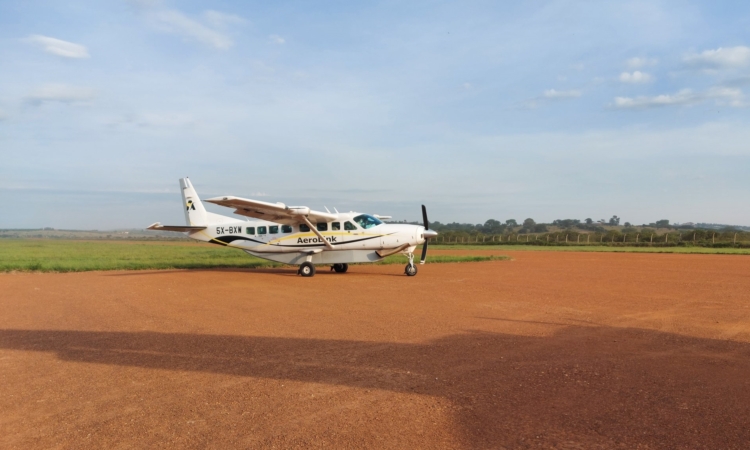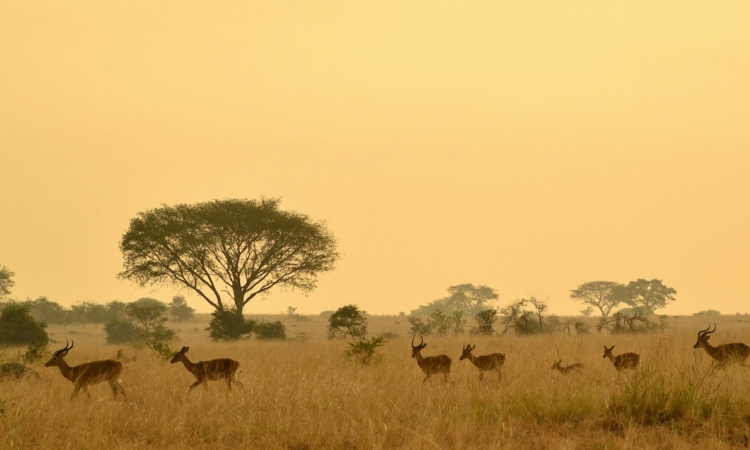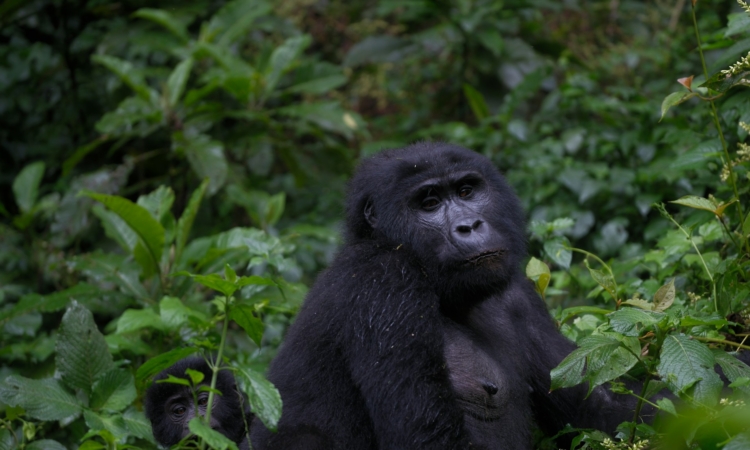
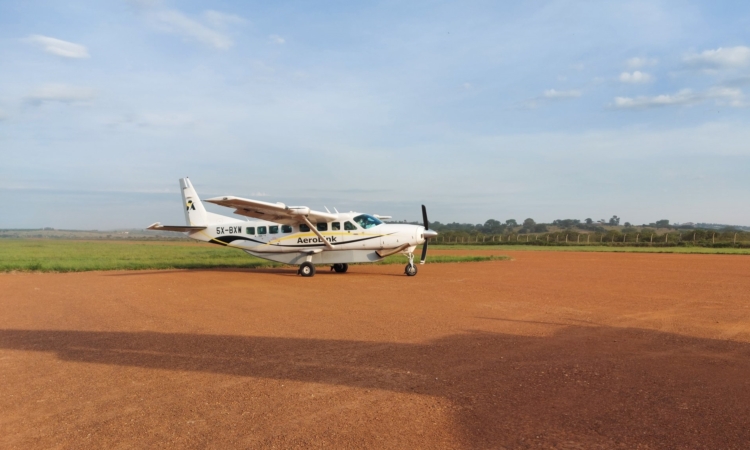
As the plane touches down on the gravel runway, Chobe Airstrip welcomes visitors to Murchison Falls National Park, one of Uganda’s most well-known natural attractions.
Stepping off the plane, the fresh air and distant sound of the falls give a sense of excitement and adventure.
Chobe Airstrip is located in the northern part of the park, offering access to tourists exploring the northern safari circuit and nearby communities.

It is positioned next to Chobe Safari Lodge, near the Nile River rapids, at coordinates 2°14’31″N, 32°08’13″E, with an elevation of 3,140 feet.
The airstrip serves both park visitors and local residents. Its single murram runway runs south to east into Nwoya District and measures about 1,555 meters.
There is a small terminal building with a lounge and waiting area for travelers, as well as staff offices located in Kiryandongo District.
Travelers who prefer faster and more comfortable travel often use Chobe Airstrip, as it takes only about 1 hour and 15 minutes to fly from Entebbe International Airport or Kajjansi Airfield.
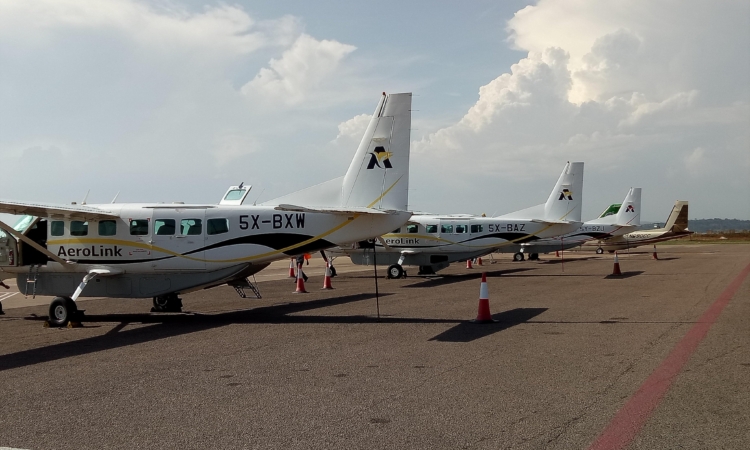
Flights to Chobe Airstrip are mainly operated by three domestic airlines: AeroLink Uganda, Bar Aviation, and Fly Uganda.
These airlines offer daily morning and afternoon flights to Murchison Falls National Park.
The dry season is the best time to fly, as rainy conditions can sometimes disrupt flights. The best months are from June to August and December to February. Tourists are advised to book in advance.
Tourists arriving via Chobe Airstrip have access to several lodges in the area, including the Chobe Safari Lodge.
Flight Schedules to Chobe Airstrip
Bar Aviation:
- Departs Entebbe International Airport at 12:05 PM
- Arrives at Chobe Airstrip at 1:05 PM
- Departs Chobe Airstrip at 1:20 PM
- Arrives in Kampala at 4:30 PM
AeroLink Uganda:
Offers chartered flights to Chobe Airstrip based on demand.
Chobe Airstrip remains an important travel link between Murchison Falls National Park and Uganda’s major cities. It plays a key role in supporting tourism and shows what is possible when conservation and access work hand in hand.