This gorilla trekking guide for 2026/2027 will guide you on how best to plan a lifetime gorilla trekking safari to Uganda, Rwanda or Congo. Plan your gorilla trekking safari in Uganda, Rwanda, or Congo. Learn about permits, best times to visit, top parks, travel tips, and combine trekking with Masai Mara safaris, Serengeti Safaris, wildebeest migration or Kilimanjaro climbs for a complete East Africa adventure.
Uganda, Rwanda, and the Democratic Republic of Congo are the only places where you can find and track mountain gorillas. Many people travel to these countries to see gorillas in the wild. There are more than 1,000 mountain gorillas living in four main national parks.
In Uganda, gorillas live in Bwindi Impenetrable National Park and Mgahinga Gorilla National Park. In Rwanda, they are only found in Volcanoes National Park. In the Democratic Republic of Congo, mountain gorillas live in Virunga National Park.
The Democratic Republic of Congo is the only country that is home to both mountain gorillas and lowland gorillas. Lowland gorillas can be seen in Kahuzi Biega National Park.
Recommended Gorilla Trekking Companies
On this website, recommend that you book your trip with Magical Gorilla Adventures or Gorilla Hurly Burly.
Gorilla Trekking in Uganda
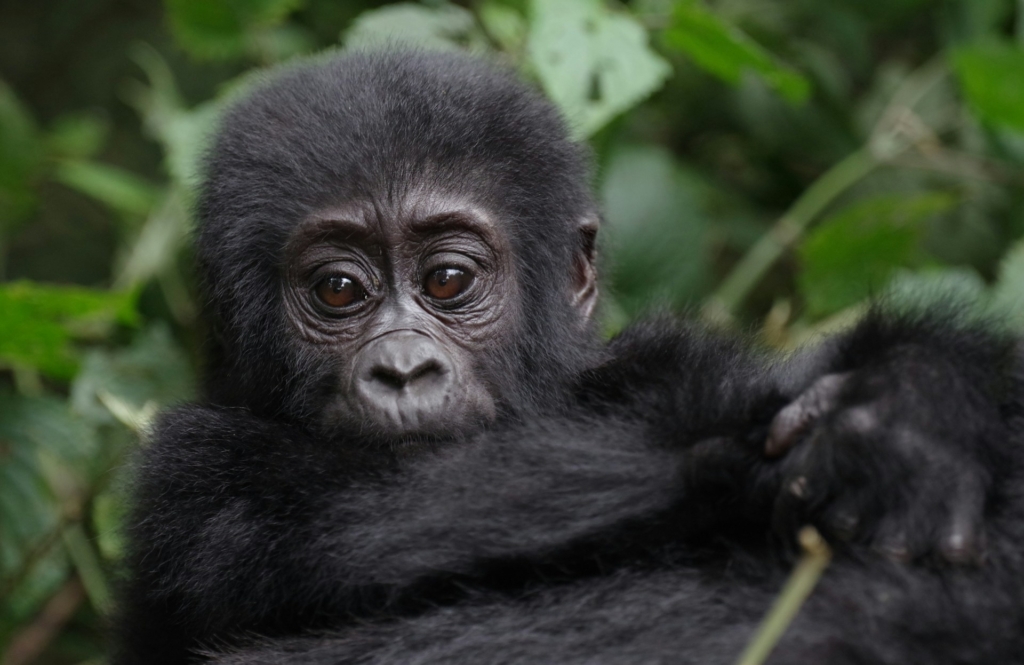
Gorilla trekking in Uganda takes place in two national parks, Bwindi Impenetrable National Park and Mgahinga Gorilla National Park. Bwindi is the most visited park because it has the highest number of mountain gorillas. There are more than 19 habituated families that people can track. Mgahinga is much quieter and has only one habituated family called Nyakagezi.
Both parks can be reached by road in about nine hours from the main city. Travelers can also fly from Entebbe or Kajjansi to Kisoro or Kihihi and then continue by road to the park.
Gorilla Trekking in Bwindi Impenetrable National Park

Bwindi Impenetrable Forest is a famous rainforest in south-western Uganda and one of the top destinations in the world for mountain gorilla trekking. The forest covers over 321 square kilometers of steep ridges and misty slopes. Visiting Bwindi gives travelers a chance to see habituated gorilla groups in their natural habitat, which is a rare and unforgettable experience.
In the 1980s, there were only about 250 mountain gorillas in Bwindi. Conservation efforts and gorilla tourism have helped increase their numbers. Today, the forest is home to 18 fully habituated gorilla families. Some of these gorilla families include: Christmas, Mukiza, Katwe, Bikingi, Habinyanja, Mishaya, Nshongi, Mubare, Oruzogo, Kahungye, Busingye, Nteko, Nkuringo, Rushegura, Rushaga, Bitukura, Oruzogo, Mutaho, Kyagurilo, Bushaho, Bweza, and Kyagurilo among the rest.
Each day, up to 144 visitors can track these gorillas. Treks can take up to six hours or more because finding the gorillas in the thick forest is physically challenging. Visitors who complete the trek are rewarded with the chance to see gorillas face-to-face.
Gorilla treks start daily at 7:00 a.m. from the park headquarters. Visitors must carry their passport and gorilla permit for registration and briefing, which lasts about 30-45 minutes. Groups are limited to eight people to protect gorillas from disease and prevent large groups from scaring them. Treks involve hiking through dense vegetation, climbing muddy hills, and descending rugged valleys. The high elevation and steep terrain make trekking tough but rewarding.
When gorillas are found, visitors can observe them for one hour, taking photos and enjoying their natural behaviors. Bwindi also offers a Gorilla Habituation Experience, where visitors spend up to four hours with gorillas.
Trekking is possible all year, but the dry season from June to September and December to February is preferred because trails are easier and less slippery. Rainy seasons from March to May and October to November make treks more challenging.
Gorilla permits cost $800 for foreign non-residents, $700 for foreign residents, and 300,000 Ugandan Shillings for East African Community citizens.
Visitors should pack long-sleeved shirts, long pants, sturdy hiking boots, hat, camera, binoculars, socks, rain jacket, water, snacks, and a thick sweater.
Accommodation options near Bwindi range from budget to luxury, including Volcanoes Bwindi Lodge, Mahogany Springs, Gorilla Safari Lodge, Bakiga Lodge, Clouds Mountain Gorilla Lodge, and many others.
Bwindi can be reached by an 8-10 hour drive from Kampala or Entebbe or by flight to Kihihi or Kisoro Airstrips followed by a 1-2 hour road transfer to the trekking sectors.
It can also be reached by a 4-5 hour drive from Kigali, Rwanda.
Gorilla Trekking in Mgahinga National Park
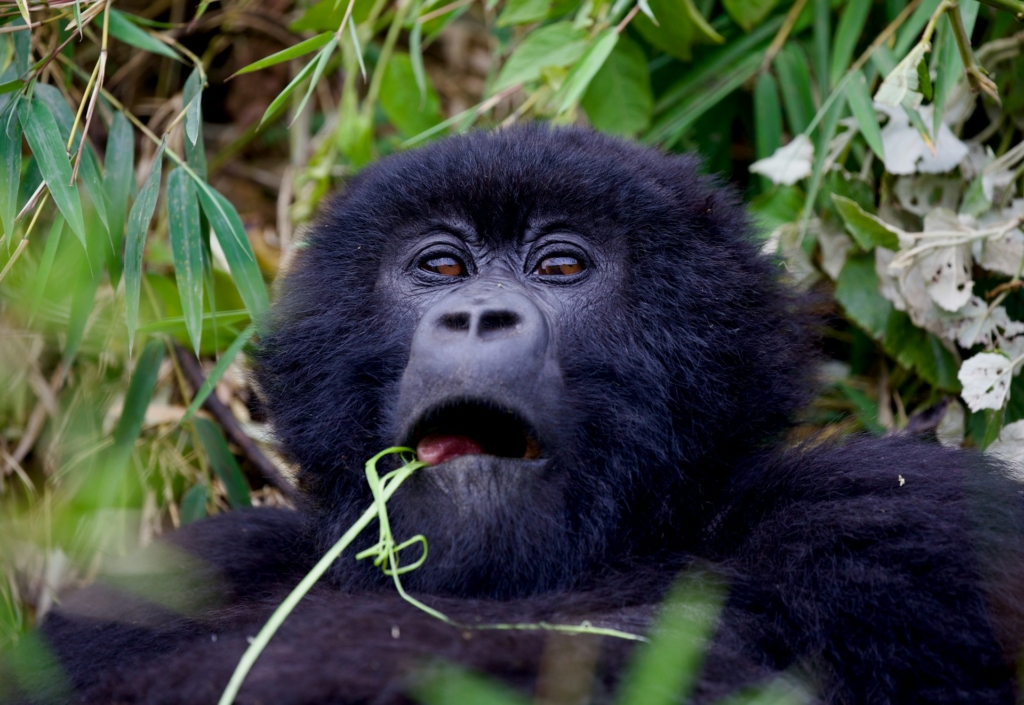
Mgahinga Gorilla National Park is a 34-square kilometer park in south-western Uganda, established in 1991. It is one of only four places in the world where mountain gorillas can be tracked. The park is part of the larger Virunga Conservation Area, which also includes Volcanoes National Park in Rwanda and Virunga National Park in the Democratic Republic of Congo. Mgahinga is the smallest park in Uganda and is home to about 80 mountain gorillas. It has only one habituated gorilla family called Nyakagezi, though it temporarily hosted Rwanda’s Hirwa group in 2019.
Gorilla trekking in Mgahinga begins in the morning at Ntebeko Visitor Center with registration and briefing. Visitors are placed in groups of eight based on fitness, age, and interest. Treks are guided by armed rangers and expert guides who share information about the park and its gorillas. Finding the gorillas can take between half an hour to six hours, depending on their movement. Once found, visitors spend one hour observing the gorillas’ behavior, such as feeding, resting, playing, and grooming, while taking photos and videos.
The Nyakagezi family has ten members, including five silverbacks, two adult females, and three infants. This group is considered easier to trek because they stay within a smaller area.
Mgahinga gorilla permits cost $800 for foreign non-citizens, $700 for foreign citizens, and 300,000 Ugandan Shillings for East African Community citizens. Only eight permits are available per day due to the single habituated group. Permits can be booked directly through Uganda Wildlife Authority or via credible tour operators, with bookings recommended 3 to 4 months in advance.
Gorilla trekking is possible year-round, but the dry season in January, February, June, July, August, September, and December is best because trails are less slippery and vegetation is thinner. Accommodation near the park ranges from budget to luxury, including options like Mount Muhabura Climber Resort, Mgahinga Community Camp, and Mount Gahinga Safari Lodge.
Visitors should pack lightweight safari clothing, hiking boots, a rain jacket, gloves, insect repellent, snacks, and drinking water. The park is accessible by road from Kampala or Entebbe in 8 to 9 hours, or by flight to Kisoro Airstrip followed by a one-hour road transfer.
Popular Gorilla Tour Packages for Uganda
- 2-Day Kigali to Bwindi Gorilla Trekking Tour
- 3-Day Kigali to Bwindi Gorilla Trekking Tour
- 3-Day Uganda Gorilla Trekking from Kigali
- 4-Day Double Gorilla Trekking Tour
- 4-Day Bwindi Gorillas & Lake Bunyonyi Tour
- 5-Day Bwindi Gorilla Trekking & Queen Elizabeth Safari
- 5-Day Bwindi Gorilla Trekking & Kibale Chimpanzee Tour
- 6-Day Bwindi Gorillas & Murchison Falls Safari
- 7-Day Spice of Uganda Safari
- 10-Day Best of Uganda Safari
- 15-Day Uganda Safari Holiday
You can book any of these tours with these reputable gorilla trekking companies or inquire directly through this link.
Gorilla Trekking in Rwanda
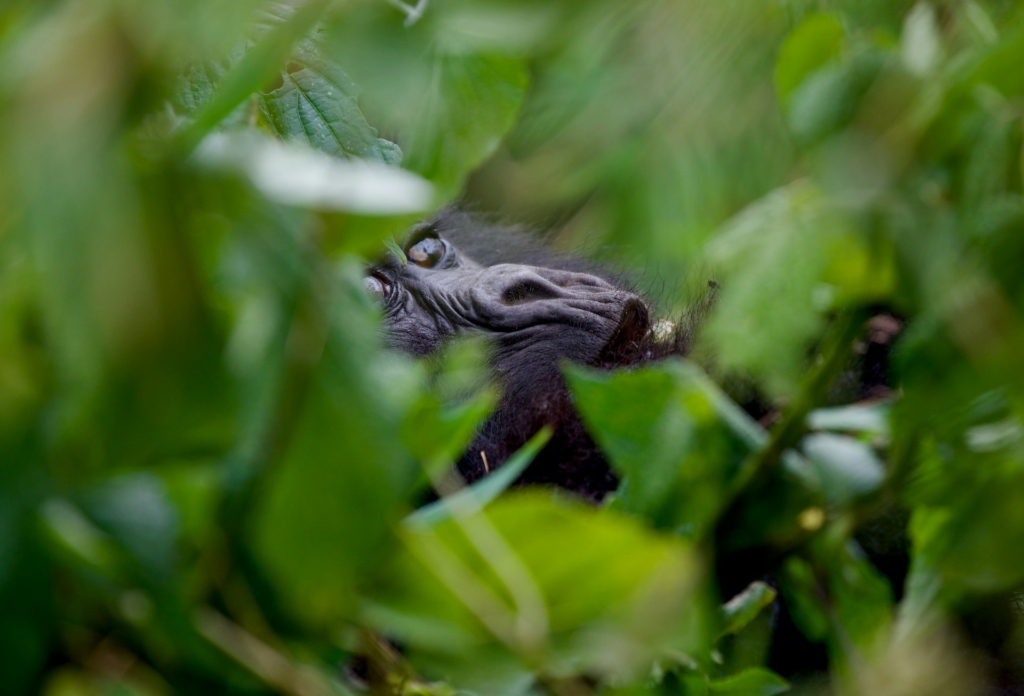
In Rwanda, gorilla trekking is only done in Volcanoes National Park. The park is about a three hour drive from Kigali. It is close to the borders of Uganda and the Democratic Republic of Congo because the Virunga Mountains are shared by all three countries. Rwanda has 12 habituated gorilla families, with more than 150 gorillas that can be tracked. Some of these families were first studied by Dian Fossey.
Some of the Rwanda gorilla families include: Susa, Amahoro, Bwenge, Bwenge 2, Sabinyo, Hirwa, Agashya, Titus, Sabyinyo, Umubano, Karisimbi, and Bwenge 3 among the rest.
Rwanda focuses on high end tourism, and this makes permits more expensive. A permit costs $1,500. The money supports conservation work and helps local communities through jobs in lodges and other services. Compared to Rwanda, permits in Uganda cost $800 while Congo offers the cheapest permits at $400.
Popular Rwanda Gorilla Tours
- 2-Day Rwanda Gorilla & Golden Monkey Trekking Safari
- 3-Day Rwanda Gorilla Trekking & Dian Fossey Tour
- 3-Day Rwanda Gorillas & Golden Monkey’s Tour
- 4-Day Rwanda Gorilla Trekking & Lake Kivu Tour
- 4-Day Double Gorilla Trekking in Rwanda
- 5-Day Rwanda Gorilla Trekking & Wildlife Safari
- 5-Day Rwanda Gorillas & Chimpanzee Trekking Tour
- 6-Day Rwanda Gorilla Trekking & Nyungwe Forest Chimpanzee Trek
- 7-Day Rwanda Gorilla Trekking & Safari Adventure
- 8-Day Rwanda Gorilla Trekking & Cultural Experience Tour
You can book any of these tours with these reputable gorilla trekking companies or inquire directly through this link.
Gorilla Trekking in Congo

In the Democratic Republic of Congo, gorilla trekking is done in Virunga National Park, which is home to over 100 mountain gorillas. There are about 8 habituated families. These gorillas live near Mount Nyiragongo, an active volcano. Tourist numbers are low because of safety concerns, even though the park has many attractions.
Congo is also special because it has lowland gorillas. These can be seen in Kahuzi-Biega National Park. Tracking lowland gorillas is easier because they live in lower areas.
Popular Congo Gorilla Tours
- 2-Day Congo Gorilla and Volcano Adventure
- 3-Day Gorilla Trekking and Nyiragongo Volcano Hike
- 4-Day Congo Gorilla Trekking and Wildlife Safari
- 5-Day Congo Gorilla Trekking and Lake Kivu Tour
- 6-Day Congo Gorilla Trekking and Cultural Experience
- 7-Day Congo Gorilla Trekking and Lowland Gorilla Safari in Kahuzi-Biega
- 8-Day Congo Gorilla Trekking and Bird Watching Tour
You can book any of these tours with these reputable gorilla trekking companies or inquire directly through this link.
When to Trek Gorillas in Africa
Gorilla trekking in all three countries is possible throughout the year since the parks stay open. The dry months are better because there is less rain and the trails are easier to walk on.
When planning a gorilla trek, it is important to pack the right items. Bring strong walking shoes, socks, and gloves. Wear light clothes and carry a rain jacket. Take at least three liters of drinking water and some snacks. A camera is also useful for photos.
Budget vs. Luxury Gorilla Trekking
Here is a clear comparison of budget vs luxury gorilla trekking in Africa.
Cost
- Budget gorilla trekking is cheaper. Uganda permits cost $800, Rwanda $1500, and Congo $400. Lodges and transport are basic. A 2–3 day budget tour costs about $1500.
- Luxury gorilla trekking is expensive. It includes high-end lodges, private transport, and extra services. Luxury tours can cost up to $7000 depending on the length of stay and lodge option.
Accommodation
- Budget trekking uses basic or midrange lodges or camps near the parks. Travelers may share rooms and use simple facilities.
- Luxury trekking includes top-end lodges with full services, comfort, and private amenities, such as Bisate Lodge (Rwanda), Mikeno Lodge (Congo), and Clouds Mountain Gorilla Lodge (Uganda).
Transport
- Budget tours use regular land cruisers or shared transport. Travel by road from cities like Kampala or Kigali takes several hours.
- Luxury tours offer private vehicles, luxury Land Cruisers, or chartered flights to the parks. This reduces travel time and increases comfort.
Group Size & Guide Services
- Both budget and luxury treks are guided by park rangers and expert guides. Maximum group size for a gorilla family visit is 8 people.
- Luxury tours may offer more personalized attention and private trekking experiences.
Duration & Trekking Experience
- Both tours involve trekking through forests to see gorillas for one hour per family. Trekking may last from 30 minutes to 7 hours depending on the gorillas’ movement.
- Luxury tours may include optional activities like gorilla habituation experiences, where visitors can spend up to 4 hours with gorillas.
What’s Included
- Budget tours include basic accommodation, park entry, guide services, and gorilla permits.
- Luxury tours include high-end lodges, private transport, meals, guide services, park entry, gorilla permits, and sometimes extra safari activities.
Best Time to Travel
- Both budget and luxury treks are best in the dry season (June–September, December–February) for easier trekking, though trips are possible year-round.
- Budget gorilla trekking is affordable and basic but still offers the full gorilla encounter. Luxury gorilla trekking is costly but provides private, comfortable, and highly personalized experiences with top lodges, transport, and extra services.
Mountain Gorilla Trekking vs. Lowland Gorilla Trekking

Mountain gorillas are not the same as other types of gorillas such as western lowland gorillas, Cross River gorillas, and eastern lowland gorillas. In science, mountain gorillas are called Gorilla beringei beringei, while lowland gorillas fall under Gorilla gorilla.
Mountain gorillas live in high areas, usually above 1,500 meters. They stay in thick forests in the wild. Lowland gorillas live in lower areas and can also survive in zoos around the world.
Mountain gorillas are larger in size. They have long, thick, and dark hair. Lowland gorillas are smaller, and their hair is shorter and lighter.
When a male mountain gorilla becomes an adult, the hair on its back turns silver. That is why it is called a silverback. In lowland gorillas, the hair on the back becomes thin or may disappear as they grow older.
All gorillas eat plants. However, mountain gorillas do not eat fruit. They mostly eat leaves, stems, roots, flowers, and tree bark.
There are important rules for anyone who wants to take part in gorilla trekking.
How to Combine Gorilla Trekking with Masai Mara Safaris
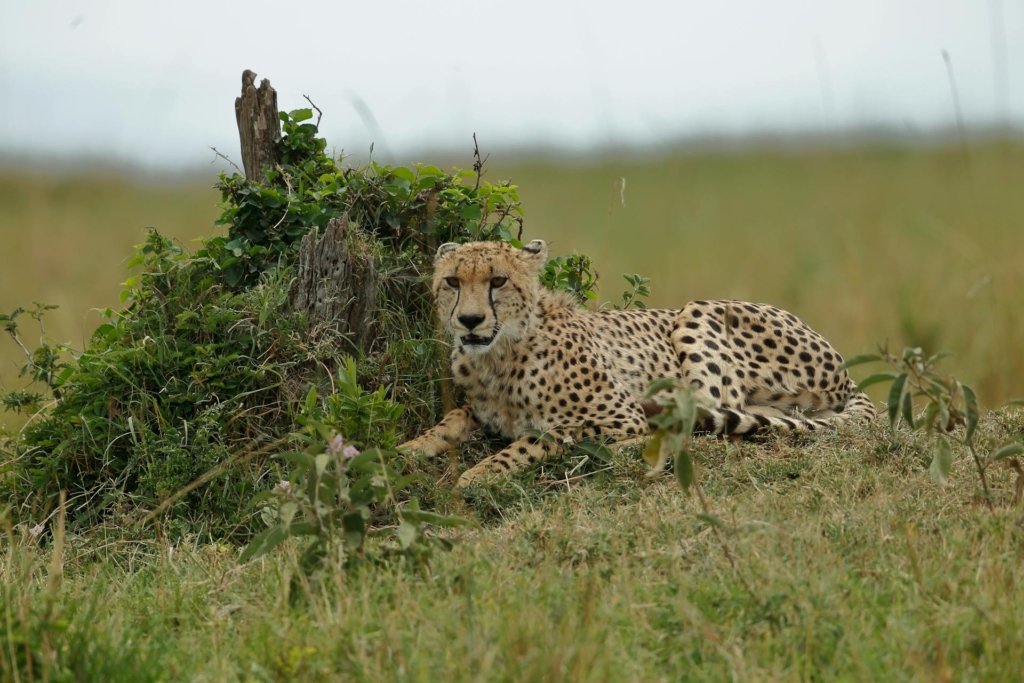
For travelers who want to experience the best of East Africa, combining gorilla trekking with a Masai Mara safari is an unforgettable adventure. Uganda and Rwanda are the only countries where you can trek mountain gorillas, while Kenya offers the famous Masai Mara for wildlife safaris and the great wildebeest migration.
After gorilla trekking, travelers can continue their journey to Kenya’s Masai Mara National Reserve. The reserve is home to lions, elephants, cheetahs, zebras, and wildebeests. Visitors can enjoy game drives, hot air balloon safaris, and guided tours across the Kenyan Savannah. The best time to visit is during the dry season from July to September or December to February. For the wildebeest migration, the peak months are August to October in the Masai Mara when the herds cross the Mara River, creating dramatic wildlife moments.
Combining these two experiences allows travelers to see rare mountain gorillas in lush forests and the big five animals on wide-open Savannah. It is recommended to hire a professional Uganda tour operator who can arrange transport, accommodation, permits, and guided safaris for both destinations.
How to Combine Gorilla Trekking with Serengeti Safaris
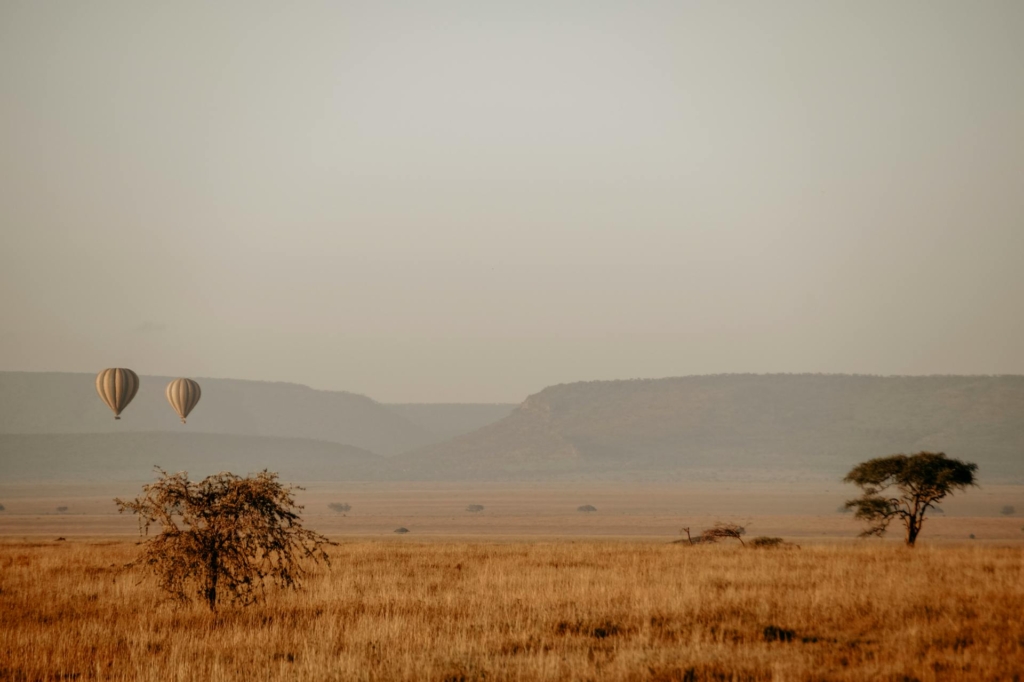
East Africa offers one of the most exciting wildlife experiences in the world. Travelers can combine gorilla trekking in Uganda or Rwanda with a safari in Tanzania’s Serengeti to enjoy both forest and Savannah wildlife. This combination allows you to see mountain gorillas, the big five and herds of wildebeests in a single trip.
The Serengeti is famous for its wide grasslands and large wildlife populations, including lions, cheetahs, elephants, zebras, and wildebeests. The great wildebeest migration starts in December and lasts until March, when animals breed and move across the plains. Safaris can be done through game drives, guided tours, or hot air balloon rides for a full view of the migration.
Planning this combined trip is easier with a professional Uganda safari company who can handle permits, transportation, and accommodation. By combining gorilla trekking and the Serengeti safari, travelers get a complete East African wildlife experience.
Combining Gorilla Trekking with Kilimanjaro Climbing Tours
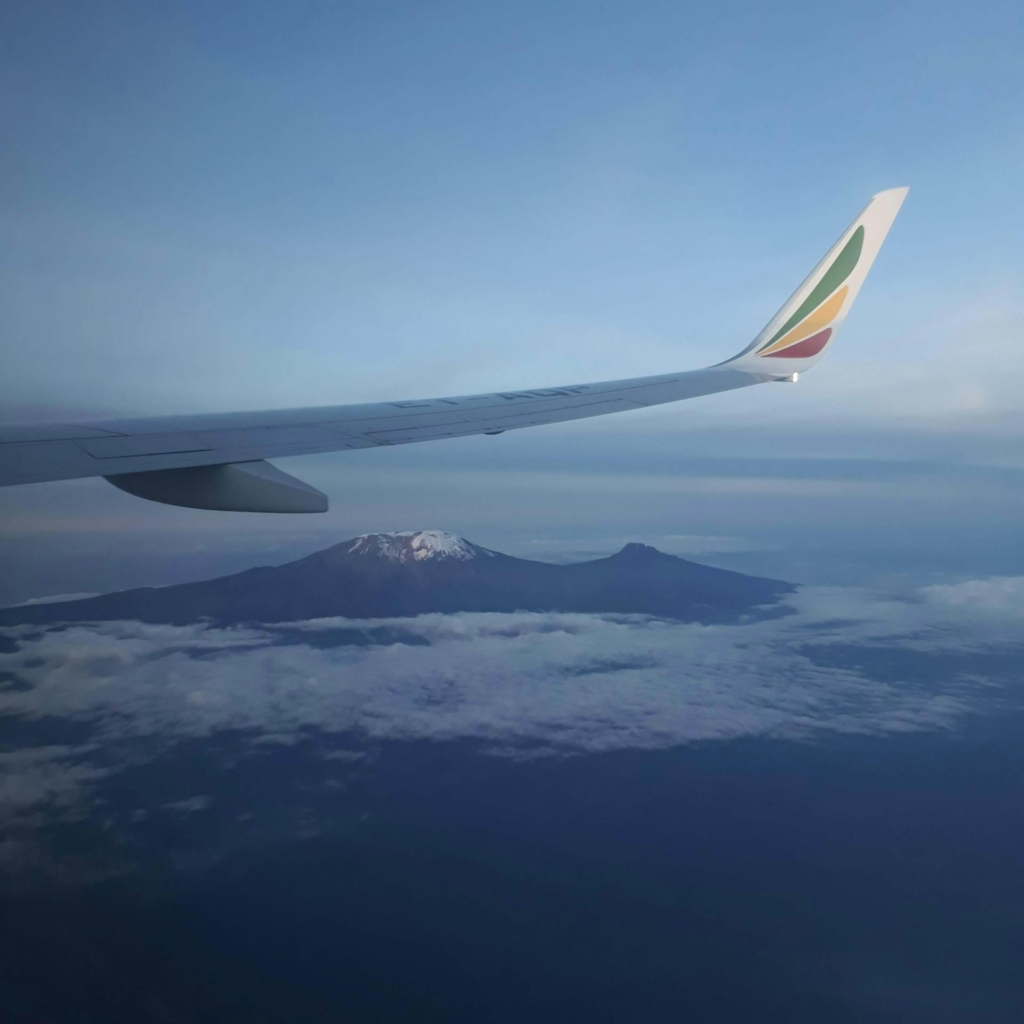
Travelers can combine gorilla trekking in Uganda or Rwanda with climbing Mount Kilimanjaro in Tanzania. This combination gives you the chance to see rare mountain gorillas and conquer Africa’s highest peak in a single trip.
Once your gorilla trekking adventure is complete, the next stage of the journey takes you to Tanzania to climb Mount Kilimanjaro. Standing at 5,895 meters, Kilimanjaro is Africa’s tallest peak. Trekkers can choose from multiple routes, each offering a mix of landscapes, from lush forests to moorlands and alpine deserts.
The climb generally takes between five and eight days, depending on the route and your fitness. Experienced guides and porters accompany every trek, ensuring safety and support throughout the ascent.
Linking gorilla trekking with Kilimanjaro climbing needs careful organization. Working with a professional Uganda travel company simplifies the process, handling permits, transportation, and lodging.
This combination is perfect for travelers who want a full East African experience, intimate wildlife encounters followed by a challenging mountain climb. From exploring Bwindi’s misty forests and observing gorillas to scaling one of the world’s tallest mountains, this journey delivers adventure, wildlife, and unforgettable memories in a single trip.
General Gorilla Trekking Rules & Regulations
Only people who are 15 years and above are allowed to join a trek. This is because the walk can be hard and young children may not follow the rules well.
You must be healthy. If you have a cold, flu, or any illness that can spread, you will not be allowed to trek. Gorillas can catch human diseases easily.
Each gorilla family can only be visited by a small group each day. Only eight people are allowed. This helps to keep the gorillas calm and safe.
All rubbish must be carried out of the forest. Do not leave any waste on the ground.
When you are close to the gorillas, stay quiet. Loud sounds can scare them away and end the visit early.
Booking Last Minute Gorilla Trips
Last minute gorilla trekking in Africa allows tourists to see habituated mountain gorillas in Uganda, Rwanda, and D.R. Congo after booking their trip on the last minute. In Uganda, treks are in Bwindi and Mgahinga National Parks, with permits costing $800 for foreigners and $300,000 for East Africans.
Rwanda’s Volcanoes National Park has 12 gorilla groups and permits cost $1500.
In D.R. Congo, Virunga and Kahuzi-Biega National Parks host mountain and lowland gorillas with cheaper permits at $400. Treks involve hiking 1–6 hours, guided by rangers, in groups of eight.
Best time for booking last minute gorilla trips is during the low seasons when people are few.
Gorilla Trekking FAQs
Below are some of the most popular gorilla trekking rules and regulations.
- Where can you find mountain gorillas in the world? Uganda, Rwanda, and the Democratic Republic of Congo.
- How many mountain gorillas live in these countries? There are more than 1,000 mountain gorillas in the four main parks.
- Which parks in Uganda have gorillas? Bwindi Impenetrable National Park and Mgahinga Gorilla National Park.
- Where in Rwanda can you see gorillas? Volcanoes National Park.
- Which park in the Democratic Republic of Congo has mountain gorillas? Virunga National Park.
- Which country has both mountain and lowland gorillas? The Democratic Republic of Congo.
- Where can lowland gorillas be seen? In Kahuzi Biega National Park, Congo.
- How many gorilla families are in Bwindi National Park? More than 19 habituated families.
- How many gorilla families are in Mgahinga National Park? Only one, called Nyakagezi.
- How can you get to Uganda’s gorilla parks? By road from the main city or by flying to Kisoro or Kihihi and then driving.
- How far is Volcanoes National Park from Kigali? About a three hour drive.
- How many gorilla families are in Volcanoes National Park, Rwanda? 12 habituated families.
- How many gorillas are in Rwanda’s Volcanoes National Park? More than 150 gorillas.
- How much does a gorilla permit cost in Rwanda? $1,500 per person.
- How much does a gorilla permit cost in Uganda? $800 per person.
- How much does a gorilla permit cost in Congo? $400 per person.
- Why is Rwanda’s permit more expensive? The money supports conservation and helps local communities.
- How many mountain gorilla families are in Virunga National Park? About 8 habituated families.
- Where do Congo’s mountain gorillas live? Near Mount Nyiragongo, an active volcano.
- Are lowland gorillas easy to track? Yes, because they live in lower areas.
- When can you trek gorillas in Africa? All year round, but dry months are easier.
- What should you pack for gorilla trekking? Strong shoes, socks, gloves, light clothes, rain jacket, water, snacks, and a camera.
- What is the scientific name of mountain gorillas? Gorilla beringei beringei.
- What is the scientific name of lowland gorillas? Gorilla gorilla.
- Where do mountain gorillas live? High areas above 1,500 meters in thick forests.
- Can lowland gorillas live in zoos? Yes, they can survive in zoos around the world.
- How do mountain gorillas look different from lowland gorillas? They are bigger, with long, thick, dark hair.
- What is a silverback gorilla? An adult male mountain gorilla with silver hair on its back.
- What do mountain gorillas eat? Leaves, stems, roots, flowers, and tree bark.
- What are the main rules for gorilla trekking? Be 15 or older, healthy, keep groups small, stay quiet, and carry out all rubbish.